







EPA Proposes Adding Microplastics and Pharmaceuticals to Drinking Water Contaminant List
EPA Proposes Adding Microplastics, Pharmaceuticals to Water List

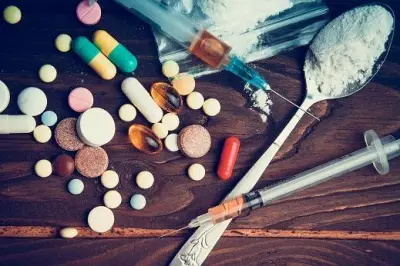
The Environmental Protection Agency took a significant step on Thursday by proposing to add microplastics and pharmaceuticals to its Contaminant Candidate List for drinking water for the first time. This action could pave the way for new regulatory limits on these substances for water utilities across the United States.

Responding to Public Concerns and Political Agendas

EPA Administrator Lee Zeldin emphasized that this proposal directly addresses the worries of Americans regarding plastics and pharmaceuticals in their drinking water. Speaking at EPA Headquarters, Zeldin stated, "I can’t think of an issue that hits closer to home for American families than the safety of their drinking water." The move also aims to support Health Secretary Robert F. Kennedy Jr.'s MAHA movement, which has been pressuring the EPA to intensify efforts against environmental contaminants for months.

The Contaminant Candidate List Process

The EPA's Contaminant Candidate List identifies contaminants in drinking water that are not currently regulated under the Safe Drinking Water Act. The agency has released a draft of the sixth version of this list, initiating a 60-day public comment period. It expects to finalize the list by mid-November. Historically, the EPA uses this list to prioritize research, funding, and regulatory decisions, but it rarely removes pollutants to set enforceable limits. In March, the agency announced it would not develop regulations for any of the nine pollutants from the most recent list examination.

Wide Pickt banner — collaborative shopping lists app for Telegram, phone mockup with grocery list

Health Implications and Scientific Uncertainty

Studies have investigated the prevalence of microplastics in drinking water and human bodies, including hearts, brains, and testicles. While experts are still assessing the specific health threats, there is growing concern about potential risks. Additionally, pharmaceuticals entering the water supply through human excretion pose a challenge, as conventional wastewater treatment plants often fail to remove them effectively.

Mixed Reactions from Environmental Groups

Erik Olson, a senior attorney at the Natural Resources Defense Council, noted, "It’s the beginning of a very long process that routinely ends in nothing." However, others see the announcement as a positive start. Judith Enck, a former EPA regional administrator now leading Beyond Plastics, said, "Including it in the list would be the first step toward eventually regulating microplastics in public water supplies and hopefully this is not the last step."

Dr. Philip Landrigan, director of the Global Observatory on Planetary Health at Boston College, warned that without curbing plastic production, such efforts may have limited impact. The U.S. is involved in global talks on a plastic pollution treaty but opposes production limits.

Industry and Advocacy Perspectives

The American Chemistry Council supports monitoring microplastics in drinking water and research into their impacts, provided it is standardized nationwide. Meanwhile, Food & Water Watch argues that the listing, while important, falls short of their call for comprehensive monitoring. The EPA uses the Unregulated Contaminant Monitoring Rule to gather data on suspected contaminants.

MAHA Movement and Broader Environmental Agenda

The joint effort by Kennedy and Zeldin comes as MAHA activists have formed tentative alliances with the EPA but expressed frustration over inaction on priorities like pesticide regulation. The movement gained momentum earlier this year following an executive order from former President Donald Trump aimed at boosting glyphosate production, which Kennedy criticized but deemed necessary for agricultural stability.

The EPA has hinted at a forthcoming MAHA agenda addressing issues such as forever chemicals, plastic pollution, and lead pipes. In February, EPA press secretary Brigit Hirsch indicated the agenda was in its "final stages." Kennedy also announced a $144 million initiative called STOMP (Systematic Targeting of Microplastics) to detect, map, and remove microplastics from human bodies, stating, "We can’t treat what we cannot measure, we cannot regulate what we don’t understand."

Pickt after-article banner — collaborative shopping lists app with family illustration

Historical Context and Regulatory Challenges

Under the Safe Drinking Water Act, amended in 1996, the EPA is required to publish the Contaminant Candidate List every five years and decide whether to regulate at least five contaminants from it. Over five cycles, the agency has mostly determined that no regulatory action is needed. The new draft list includes four contaminant groups—microplastics, pharmaceuticals, PFAS, and disinfection byproducts—along with 75 chemicals and nine microbes.

This proposal contrasts with recent regulatory shifts; in May, the EPA announced plans to rescind limits on some forever chemicals in drinking water, a move environmental groups are contesting to preserve Biden-era standards. The Associated Press contributed to this report, with climate and environmental coverage supported by private foundations.