Advocates Demand Warnings for World Cup Visitors on Vancouver's Toxic Drug Supply
Health advocates in Vancouver are issuing an urgent call for official warnings to be provided to visitors attending the upcoming FIFA World Cup about the city's perilous toxic drug supply. With the global sporting event expected to draw thousands of international tourists, concerns are mounting over potential overdose risks from illicit substances that have plagued the region.
The Growing Crisis and Visitor Safety
Vancouver has been grappling with a severe drug toxicity crisis for years, marked by an increasingly contaminated street drug supply. Advocates emphasize that many visitors may be unaware of the extreme dangers posed by these substances, which often contain lethal additives like fentanyl and carfentanil. The lack of awareness could lead to accidental overdoses, especially among those unfamiliar with the local context.
Shannon Paterson, a prominent voice in the advocacy community, stresses that proactive measures are essential. "We cannot afford to wait for tragedies to unfold," Paterson stated. "World Cup visitors deserve clear, accessible information about the risks and how to respond in an emergency."

Naloxone Kits and Emergency Preparedness
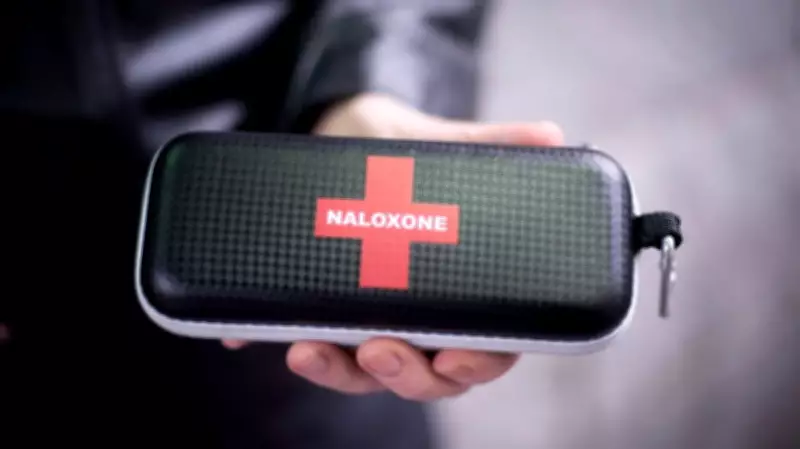
Central to the advocates' recommendations is the widespread distribution of naloxone kits and training. Naloxone is a life-saving medication that can temporarily reverse opioid overdoses, and it has become a critical tool in Vancouver's harm reduction efforts. Visitors should be educated on how to recognize overdose symptoms and administer naloxone, which is available at many pharmacies and community centers across the city.
The push for warnings aligns with broader public health strategies to reduce drug-related harms. Vancouver has implemented various initiatives, including supervised consumption sites and drug checking services, but advocates argue that these resources must be promoted to tourists to ensure their effectiveness during the World Cup.
Broader Implications and Community Response
This call to action comes amid ongoing debates about how to address Vancouver's drug crisis while hosting major international events. Local authorities are urged to collaborate with health organizations to develop multilingual warning campaigns and distribute safety materials at key venues, such as airports, hotels, and stadiums.
Community leaders highlight that this issue transcends the World Cup, reflecting a persistent public health emergency. "This is about saving lives, whether it's a resident or a visitor," one advocate noted. "We have a responsibility to protect everyone in our city."
As preparations for the World Cup intensify, the demand for clear communication on drug safety underscores the need for integrated approaches that prioritize health and safety alongside event logistics. Advocates remain hopeful that their warnings will be heeded to prevent unnecessary tragedies during this high-profile occasion.