

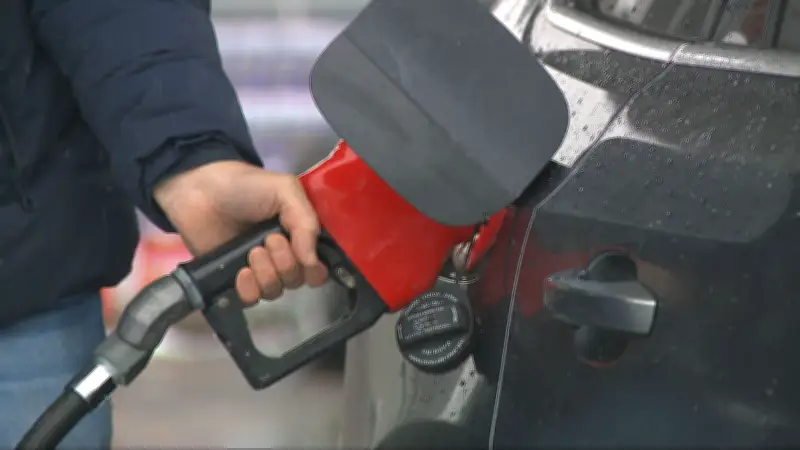
Prince Edward Island motorists experienced a modest decrease in gasoline prices on Tuesday, June 2, 2026, as the provincial regulator adjusted rates downward. The slight decline brings some relief to drivers who have faced elevated fuel costs in recent months.
Price Adjustment Details
The Island Regulatory and Appeals Commission (IRAC) announced a reduction of approximately 1.5 cents per litre for regular unleaded gasoline. This adjustment reflects changes in global oil markets and regional supply dynamics. The new price brings the average cost of regular gasoline in P.E.I. to around 157.9 cents per litre, down from previous levels.
Market Factors
Analysts attribute the dip to a combination of factors, including lower crude oil prices and seasonal demand patterns. The price of West Texas Intermediate crude fell below $75 per barrel in recent trading sessions, contributing to the downward pressure on retail prices. Additionally, a recent proclamation by former U.S. President Donald Trump amending tariffs on steel, aluminum, and copper imports has influenced broader commodity markets, though the direct impact on gasoline prices remains indirect.

Regional Context
P.E.I.'s gas prices are among the highest in Canada due to provincial taxes and transportation costs. The current reduction, while modest, is welcomed by consumers and businesses alike. The province's fuel pricing mechanism, which adjusts weekly based on market benchmarks, ensures that changes are passed on to consumers in a timely manner.
Consumer Impact
For the average driver, the price drop translates to savings of roughly $0.75 per tank fill-up. Local businesses reliant on transportation, such as delivery services and taxi operators, may see a slight easing of operational costs. However, industry experts caution that volatility in global energy markets could lead to future increases.
Broader Economic Implications
The adjustment comes amid broader economic discussions in Canada, including debates over energy policy and trade. Federal and provincial leaders continue to navigate the complexities of energy pricing, environmental regulations, and consumer affordability. The slight dip in P.E.I. gas prices offers a momentary reprieve but does not signal a long-term trend.
As always, consumers are encouraged to monitor prices and consider fuel-efficient practices to manage costs.






