In a significant move for global public health, the World Health Organization has formally endorsed a class of medications known as GLP-1 receptor agonists to address the worldwide obesity crisis. This endorsement, reported on December 1, 2025, signals a major shift in the international health body's strategy for managing a condition affecting hundreds of millions.
What Are GLP-1 Treatments?
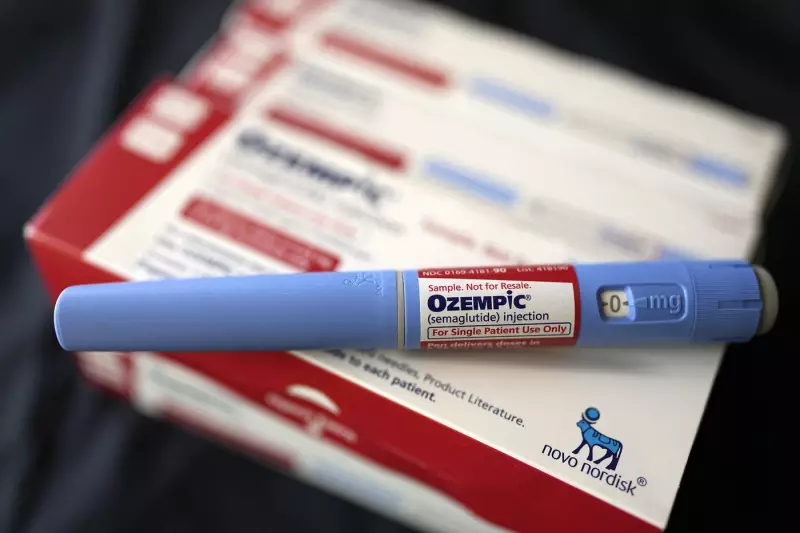
The endorsement focuses on drugs like semaglutide, which is marketed under names such as Ozempic for type 2 diabetes and Wegovy for weight management. These medications work by mimicking a hormone called glucagon-like peptide-1, which regulates appetite and food intake. They have shown remarkable efficacy in clinical trials, helping patients achieve substantial and sustained weight loss.
Previously, the WHO's guidance on obesity management heavily emphasized diet, exercise, and behavioral changes. While those remain foundational, the inclusion of pharmaceutical interventions marks an acknowledgment of the complexity of obesity as a chronic disease. The organization now recognizes that for many individuals, lifestyle modifications alone are insufficient.

The Scale of the Global Challenge
The WHO's decision comes in response to what it classifies as an obesity epidemic. Global obesity rates have nearly tripled since 1975, creating a massive burden on healthcare systems. Obesity is a major risk factor for numerous other conditions, including heart disease, stroke, type 2 diabetes, and certain cancers.
By backing these treatments, the WHO aims to provide a clear, evidence-based framework for national health services, including those in Canada, to integrate these drugs into their public health strategies. The goal is to improve access and guide appropriate use, potentially reducing the long-term health complications and costs associated with severe obesity.
Implications for Healthcare Policy and Access
This endorsement is expected to influence drug approval processes, insurance coverage decisions, and clinical guidelines worldwide. In Canada, where drugs like Ozempic are already available, the WHO's stance may bolster arguments for broader coverage under provincial formularies for weight management indications, not just diabetes.
However, the WHO also likely emphasized the need for these treatments to be part of a comprehensive care plan, not a standalone solution. Challenges remain, including the high cost of the medications and the need for long-term use to maintain benefits, which could strain healthcare budgets.
The announcement represents a pivotal moment in the fight against obesity, moving it further into the realm of medical management. As healthcare systems grapple with the best ways to implement this new guidance, the hope is that it will lead to more effective, compassionate, and accessible care for the millions living with obesity globally.