Mideast Conflict Sparks European Natural Gas Price Surge
The intensifying war in the Middle East is driving a significant spike in European natural gas prices, creating market volatility and highlighting Canada's untapped potential as a key energy supplier. This development underscores the global ripple effects of regional conflicts on energy security and economic stability.
European Market Faces Pressure from Geopolitical Tensions
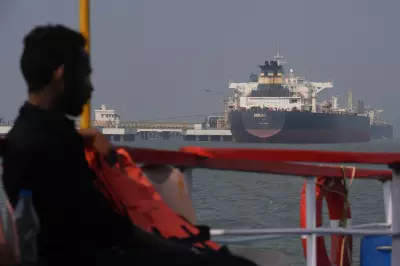
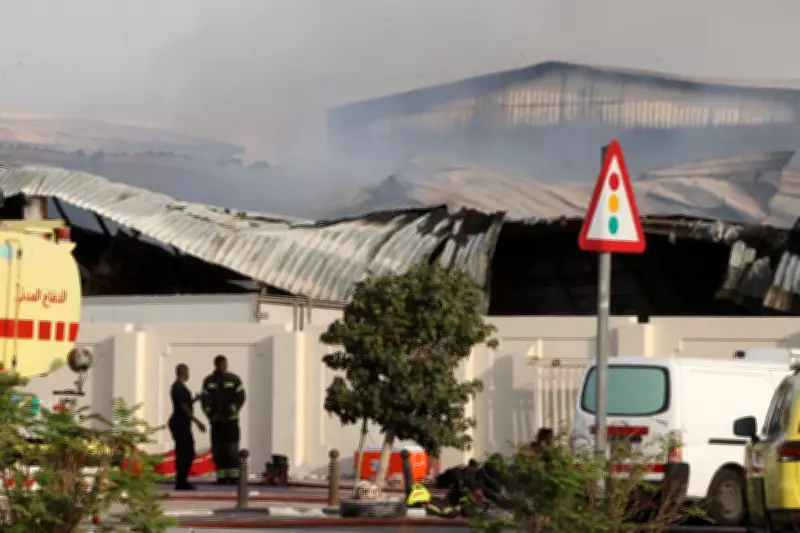
Recent hostilities, including Iranian strikes in Qatar, have exacerbated supply concerns in Europe, which relies heavily on imported natural gas. The uncertainty surrounding Middle Eastern exports has led to price increases as traders anticipate potential disruptions to critical supply routes. This situation mirrors previous energy crises, where geopolitical instability triggered widespread economic consequences.
Analysts note that Europe's energy infrastructure remains vulnerable to external shocks, particularly given its dependence on liquefied natural gas (LNG) from volatile regions. The current price surge reflects broader anxieties about long-term supply reliability, prompting calls for diversified energy sources.

Canada's Strategic Opportunity in Global Energy Markets
As European prices climb, Canada's abundant natural gas reserves position it as a viable alternative supplier. With extensive LNG export projects in development, Canada could help mitigate market fluctuations by providing stable, responsibly sourced energy to international partners.
The country's energy sector has long advocated for expanded export capacity, citing economic benefits and enhanced global influence. This latest price surge reinforces arguments for accelerating infrastructure investments, such as pipelines and LNG terminals, to capitalize on emerging demand.
Implications for Energy Policy and Economic Growth
The interplay between Middle East conflicts and energy markets highlights several key considerations:
- Supply Diversification: Reducing reliance on any single region is crucial for energy security.
- Infrastructure Development: Timely investments in export facilities can unlock economic opportunities.
- Environmental Standards: Balancing export growth with climate commitments remains a priority.
- Global Partnerships: Strengthening ties with energy-importing nations fosters mutual stability.
Canadian policymakers and industry leaders are closely monitoring these developments, recognizing that strategic actions now could shape the country's energy trajectory for decades. The current crisis serves as a reminder of the interconnected nature of global energy systems and the importance of proactive planning.
As the situation evolves, stakeholders emphasize the need for collaborative solutions that address immediate market needs while advancing long-term sustainability goals. Canada's role in this dynamic landscape will depend on its ability to navigate complex geopolitical and economic factors effectively.