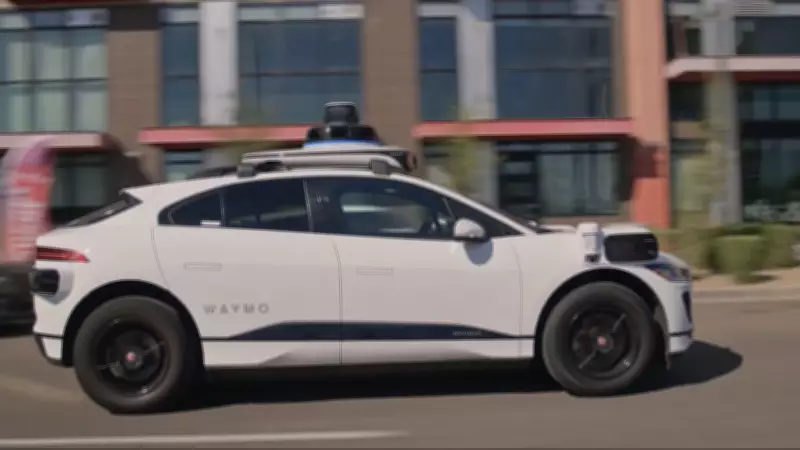
California Company Eyes Toronto for Self-Driving Rideshare Service
A California-based company is actively pursuing the opportunity to bring self-driving rideshare vehicles to Toronto, potentially marking a significant shift in the city's transportation landscape. This initiative could introduce autonomous vehicle technology to one of Canada's largest urban centers, offering a glimpse into the future of urban mobility.
Exploring the Potential for Autonomous Transportation
The company, which specializes in autonomous vehicle technology, is seeking approval to operate its self-driving rideshare service in Toronto. This move aligns with global trends toward integrating autonomous vehicles into public transportation systems, aiming to enhance efficiency and reduce traffic congestion. Toronto's diverse and densely populated environment presents both challenges and opportunities for testing and deploying such advanced technology.
Key considerations include regulatory frameworks, safety protocols, and public acceptance. The company must navigate local laws and collaborate with municipal authorities to ensure compliance with transportation standards. Additionally, addressing cybersecurity risks and data privacy concerns will be crucial for gaining public trust and ensuring the secure operation of autonomous vehicles.

Implications for Urban Mobility and Infrastructure
The introduction of self-driving rideshare vehicles could transform Toronto's transportation ecosystem. Potential benefits include reduced reliance on personal cars, decreased emissions, and improved accessibility for residents. However, this technology also raises questions about its impact on existing public transit systems and traditional rideshare services.
Urban planners and policymakers will need to assess how autonomous vehicles integrate with current infrastructure, such as roads and traffic signals. Investments in smart city technologies may be necessary to support the seamless operation of self-driving vehicles. Furthermore, workforce implications, such as effects on driving jobs, must be carefully evaluated to mitigate any negative socioeconomic consequences.
Future Prospects and Challenges
While the prospect of self-driving rideshare vehicles in Toronto is exciting, several hurdles remain. Technical challenges, including navigating complex urban environments and adverse weather conditions, require ongoing innovation. Public education campaigns will be essential to familiarize residents with autonomous vehicle technology and address safety concerns.
The company's efforts in Toronto could set a precedent for other Canadian cities considering similar initiatives. As autonomous vehicle technology continues to evolve, its successful implementation in Toronto may inspire broader adoption across the country, shaping the future of transportation in urban areas nationwide.