

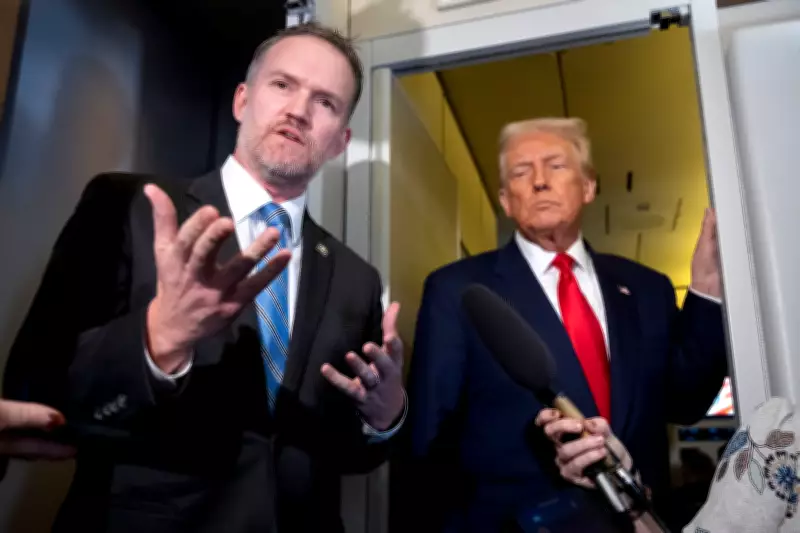
U.S. Trade Representative Speaks on Canada's Diplomatic Engagement in Washington
U.S. Trade Representative Jamieson Greer has publicly addressed Canada's recent visit to Washington, highlighting ongoing discussions amid persistent trade tensions and tariff policies. The comments come as both nations navigate complex economic and political landscapes, with tariffs remaining a critical issue in bilateral relations.
Context of the Diplomatic Exchange
The visit by Canadian officials to Washington underscores efforts to strengthen dialogue and address mutual concerns. Greer, who has been a key figure in U.S. trade negotiations, emphasized the importance of collaborative approaches to resolve disputes and foster economic stability. This engagement is part of broader strategies to mitigate the impacts of tariffs that have affected cross-border trade.
Implications for Trade and Policy
Trade experts note that such diplomatic interactions are crucial for de-escalating tensions and exploring solutions to tariff-related challenges. The U.S. stance, as articulated by Greer, reflects a commitment to protecting national interests while seeking balanced agreements with trading partners like Canada. This development occurs against a backdrop of global economic shifts and domestic policy adjustments in both countries.

Future Outlook and Bilateral Relations
Looking ahead, the outcomes of these talks could influence future trade agreements and tariff implementations. Stakeholders in industries ranging from manufacturing to agriculture are closely monitoring the situation, as changes in policy may have significant economic repercussions. The dialogue between the U.S. and Canada is expected to continue, with a focus on achieving sustainable and equitable trade practices.
In summary, the remarks by U.S. Trade Representative Jamieson Greer regarding Canada's Washington visit highlight ongoing efforts to manage tariff disputes and enhance bilateral cooperation. As both nations work towards common goals, the evolution of their trade relationship will be pivotal in shaping regional and global economic dynamics.






