Israel Intensifies Airstrikes in Tehran as Iran Widens Regional Response
The Middle East conflict has escalated dramatically, with Israel stepping up airstrikes in Tehran and Iran broadening its retaliatory actions across the region. This intensification comes amid a backdrop of heightened tensions, with the United States closing its embassies in Saudi Arabia and Kuwait as the situation worsens "with each passing hour," according to CTV News’ Adrian Ghobrial.
Military Escalation and Regional Impact
Israel's increased airstrikes in Tehran mark a significant escalation in the ongoing conflict, targeting key Iranian infrastructure and military sites. In response, Iran has widened its countermeasures, launching attacks and mobilizing forces across the Middle East, further destabilizing an already volatile region. This tit-for-tat cycle has raised fears of a broader war, with global markets reacting sharply to the developments.
Economic and Political Fallout

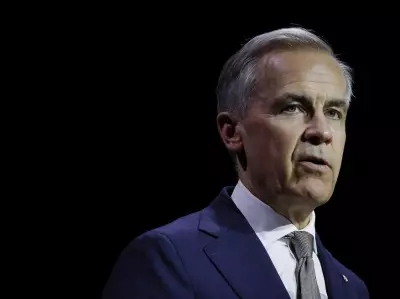
The conflict has immediate economic repercussions, with oil prices jumping 4.7% to settle at their highest level since January 2025, driven by supply concerns in the strategically vital Strait of Hormuz. The S&P/TSX composite tumbled 2%, and U.S. markets also declined as investors grappled with war fears. Politically, Canada's Prime Minister Carney expressed support for U.S.-Israel strikes on Iran "with regret," highlighting the complex international stance on the crisis.
International Reactions and Security Measures
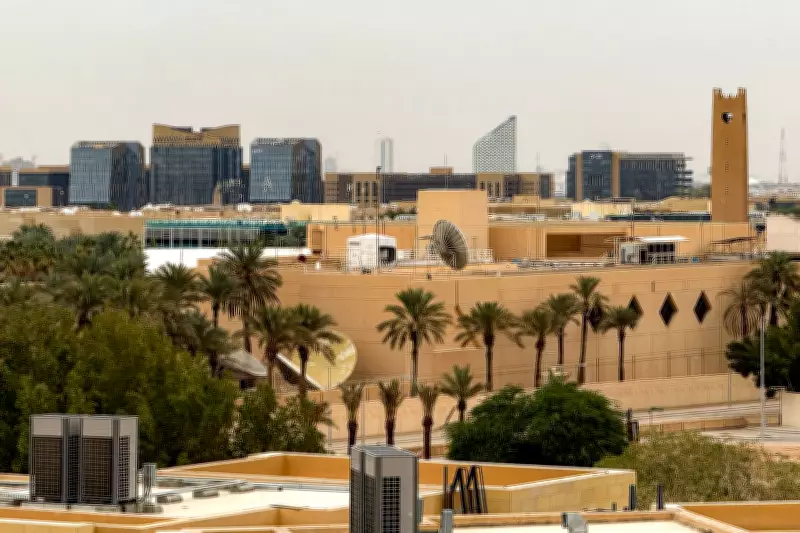
In response to the escalating violence, the U.S. has taken precautionary steps by closing its embassies in Saudi Arabia and Kuwait, citing security threats. Intelligence reports suggest that the CIA is working to arm Kurdish forces to spark an uprising in Iran, according to CNN sources, adding another layer to the geopolitical maneuvering. Meanwhile, Canada's intelligence agency has warned of potential cyberattacks, urging preparedness amid the heightened tensions.
Regional Stability at Risk
The widening conflict threatens to engulf neighboring countries, with Iran's expanded response potentially drawing in other regional actors. This escalation underscores the fragile state of Middle East diplomacy and the urgent need for de-escalation efforts to prevent a full-scale war. As the situation evolves, global leaders are closely monitoring developments, with calls for restraint and diplomatic solutions growing louder.
The intensification of hostilities between Israel and Iran represents a critical juncture in the Middle East, with far-reaching implications for global security and economy. Continued airstrikes and retaliatory actions risk further humanitarian crises and regional instability, making immediate international intervention crucial to avert a broader catastrophe.