Two Horrific Cases Expose Deadly Domestic Violence Patterns
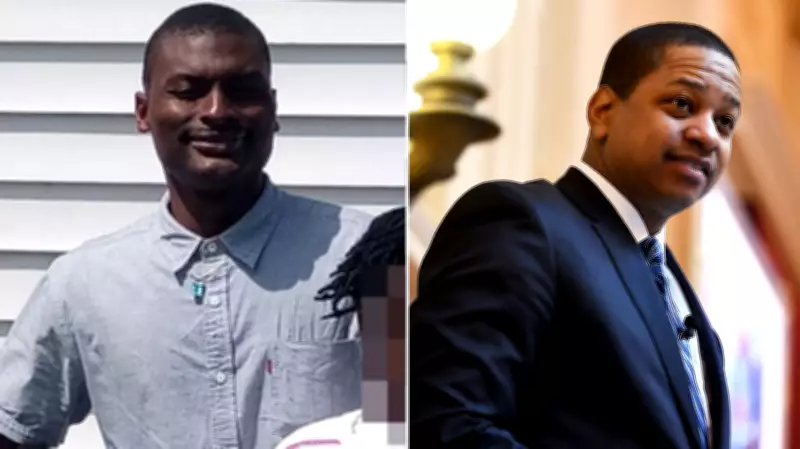
In a devastating week, two separate murder-suicide incidents have shocked communities and highlighted the grim reality of domestic violence in America. Former Virginia Lieutenant Governor Justin Fairfax shot and killed his wife, Dr. Cerina Fairfax, in the basement of their Northern Virginia home on Thursday morning. After firing multiple shots, Fairfax proceeded upstairs where he took his own life. Their teenage daughter and son, who were present during the horrific event, immediately contacted emergency services.
Louisiana Tragedy Claims Eight Young Lives
Days later, in Shreveport, Louisiana, Shamar Elkins awoke and shot his wife, Shaneiqua Pugh, multiple times in the head and stomach. He then proceeded to execute eight children in what local police described as "execution style" killings. Seven of the victims were his own children—three boys and five girls ranging from 3 to 11 years old—while the eighth child belonged to another woman who was also shot. Law enforcement later confronted Elkins, exchanging gunfire that resulted in his death, though it remains unclear whether officers killed him or if he died from a self-inflicted wound. Pugh sustained severe injuries but is expected to survive.
Domestic Violence Murder-Suicides: A Daily Occurrence
These headline-making tragedies represent an alarmingly common pattern across the United States. According to data from Everytown for Gun Safety, incidents where an abuser kills their partner and then dies by suicide happen more than once per day on average. In these cases, firearms are involved 85% of the time, and 95% of victims are women killed by male partners. The term encompasses situations where someone murders their current or former intimate partner and/or children before attempting suicide.

Some cases escalate even further into what experts term "family annihilation" or "familicide," where an abuser kills multiple family members before potentially taking their own life—exactly as occurred in the Elkins case.
Relationship Breakdowns Preceded Both Tragedies
Investigations reveal that both incidents followed significant marital discord. Justin Fairfax had received divorce paperwork just two weeks before the murder-suicide, with a judge granting physical custody of the children to Cerina Fairfax and ordering Justin to vacate the home by April 30. Similarly, Elkins and Pugh were in the process of separating and had a court date scheduled for the week of the shooting. A relative told The Associated Press that the couple had been arguing immediately before the violence erupted.
"Domestic violence is fundamentally about power and control," the National Network to End Domestic Violence emphasized in a recent statement. "Many abusers choose to escalate their violent behaviors when a partner attempts to end the relationship. Tragically, this escalation can include killing a partner as the ultimate act of control."
Firearms Magnify Lethality in Domestic Violence
Guns represent a uniquely dangerous factor in domestic violence situations. Research indicates that when an abuser has access to a firearm, the risk of them shooting and killing their intimate partner increases by a staggering 1,000%. Abusers with gun access are five times more likely to kill female victims, with approximately 70 women shot and killed by intimate partners each month in the United States.
Disturbingly, Black women experience intimate partner homicide-suicide involving firearms at nearly 20% higher rates than white women. Records show Elkins had at least two prior convictions, including a 2019 charge for illegal weapons use. Friends and family reported he had been struggling with mental health issues and had recently expressed suicidal thoughts.
Political Figure's Downfall and Community Impact
Justin Fairfax, a Democrat who made history as Virginia's second Black statewide elected official when he became lieutenant governor in 2017, purchased a handgun in 2022—the same year his term ended and while he was dealing with mental health challenges. His political aspirations, including a 2021 gubernatorial bid, were derailed by sexual assault allegations.

The Shreveport shooting represents the deadliest mass shooting in the United States since January 2024. Mayor Tom Arceneaux described it as "maybe the worst tragic situation we've ever had" in the northwestern Louisiana city.
Breaking Stereotypes About Domestic Violence
"It shouldn't take tragedy-making headlines to spur a response," said Nikhita Ved, chief programs officer at the National Domestic Violence Hotline. "Yet part of the reason we get such a strong reaction to incidents like these two is because of the lack of knowledge about different forms of abuse and rampant stereotypes about who experiences harm and what an abusive person looks like."
"Abusive partners are not always the scary monster in the closet—they can be and often are people we think we know well," Ved emphasized, highlighting how domestic violence transcends social, economic, and political boundaries.
Resources for Those in Need
For individuals experiencing domestic violence, the National Domestic Violence Hotline provides confidential support at 1-800-799-SAFE (7233). Those struggling with mental health concerns can contact the 988 Suicide & Crisis Lifeline by calling or texting 988, or visiting 988lifeline.org. Additional local mental health and crisis resources are available at dontcallthepolice.com. International readers can find support through the International Association for Suicide Prevention.