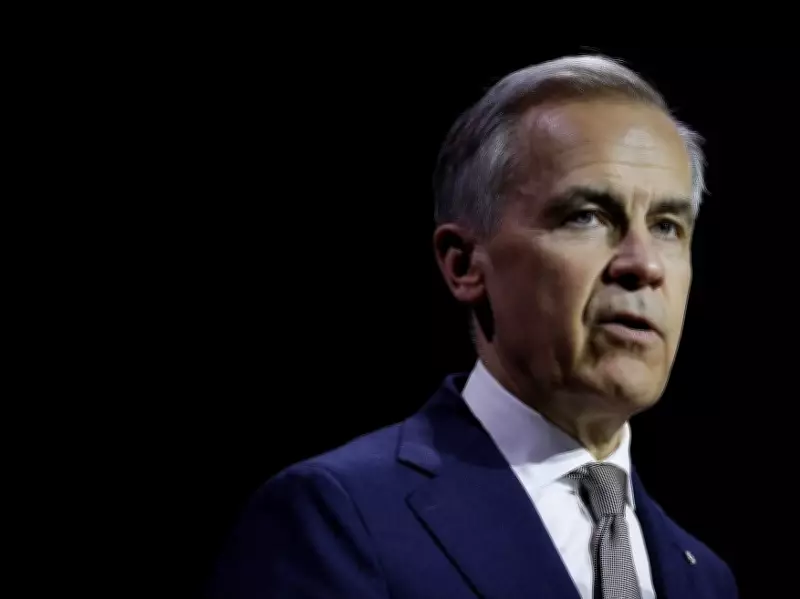
Prime Minister Mark Carney has achieved a historic milestone in Canadian politics, becoming the first prime minister to secure a majority government not through a general election, but via floor-crossing from opposition MPs. This unprecedented move grants the Liberals full control, yet it raises pressing questions about Carney's agenda and his capacity to tackle the nation's deepening affordability crisis.
A Majority Born from Political Maneuvering
Carney's majority government emerged from a strategic shift in parliamentary dynamics, with opposition members crossing the floor to join the Liberal ranks. This development marks a significant departure from traditional electoral processes, sparking debate over its legitimacy and implications for democratic representation. As Carney now wields consolidated power, Canadians are left wondering whether this newfound authority will translate into tangible solutions for everyday struggles.
Affordability Concerns Loom Large
Despite the political victory, the affordability crisis continues to grip Canadian families. High unemployment rates, soaring food inflation, and sluggish per capita growth persist, largely attributed to a decade of Liberal governance under Justin Trudeau. Carney had campaigned on promises to reduce spending and increase investments, but recent analyses from the parliamentary budget officer suggest a different reality. By reclassifying $94 billion in operating expenses as capital investments, Carney's pledge to balance the federal operating budget within three years appears increasingly untenable.

Critics argue that Carney's frequent shifts in policy goals have created confusion and eroded public trust. His approach to economic management, while rhetorically assertive, has yet to deliver the relief that many households desperately need.
Trade Negotiations with the U.S. Falter
During his leadership campaign, Carney positioned himself as the ideal candidate to negotiate a new trade and tariff agreement with U.S. President Donald Trump. He initially vowed to respond to Trump's economic threats with "dollar-for-dollar" tariffs, aiming to eliminate all U.S. tariffs. However, this "elbows up" stance quickly softened upon assuming office, with Carney acknowledging the impracticality of such measures given the U.S. economy's size advantage.
Multiple deadlines for a trade deal have come and gone without resolution. Carney's rhetoric has evolved from pursuing an ambitious agreement to settling for the status quo, citing the existing Canada-U.S.-Mexico Agreement as already favorable. Yet, with this pact set for renewal on July 1 and American officials expressing skepticism about meeting that deadline, the future of cross-border trade remains uncertain.
Public Skepticism Grows
As Carney navigates these complex challenges, public confidence in his administration wanes. The editorial tone reflects widespread doubt that the prime minister will prioritize affordability issues over further political consolidation. With a track record of moving goalposts and ambiguous commitments, Carney's leadership is under intense scrutiny.
In summary, while Mark Carney's majority government represents a novel chapter in Canadian politics, it faces formidable tests in addressing economic hardships and securing stable international trade relations. The coming months will reveal whether this historic majority can translate into meaningful progress for Canadians.