Edmonton-Invented SMHeartCard Credited for Saving Lives During Heart Attacks
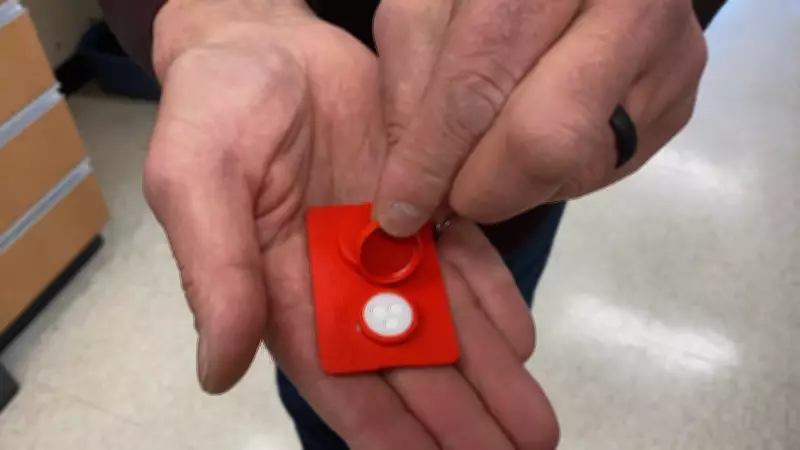
In a remarkable development for emergency medical care, a made-in-Edmonton solution is being credited with saving lives from heart attacks. The innovation, known as the SMHeartCard, is a special pill case designed to hold aspirin and nitroglycerin pills, providing quick access to these critical medications during cardiac emergencies.
Innovation Born from Necessity
James Stewart, the creator of the SMHeartCard, unveiled his invention on April 8, 2026. The compact card-shaped case is engineered to be portable and easily accessible, allowing individuals suffering a heart attack or bystanders to administer life-saving drugs promptly. Stewart's motivation stemmed from recognizing the urgent need for immediate intervention in heart attack scenarios, where every second counts.
The SMHeartCard is specifically tailored to hold standard doses of aspirin and nitroglycerin, which are commonly recommended for heart attack first aid. Aspirin helps to thin the blood and prevent further clotting, while nitroglycerin can relieve chest pain by dilating blood vessels. By consolidating these medications into a single, user-friendly device, Stewart aims to reduce response times and improve survival rates.

Impact and Recognition
Early reports indicate that the SMHeartCard has already been instrumental in saving lives in several instances. Emergency responders and healthcare professionals have praised the device for its simplicity and effectiveness. "In cardiac emergencies, rapid access to medication can be the difference between life and death," noted a local paramedic. "The SMHeartCard provides that access in a format that's easy to carry and use, even under stress."
The invention aligns with broader efforts to enhance public health preparedness and reduce heart disease mortality, which remains a leading cause of death globally. Stewart's background in engineering and personal experience with cardiac issues in his family inspired him to develop this practical solution. He has been collaborating with medical experts to ensure the card meets safety standards and is widely available.
Future Prospects and Accessibility
Looking ahead, Stewart plans to distribute the SMHeartCard through pharmacies, community centers, and online platforms to maximize its reach. He is also exploring partnerships with health organizations to promote awareness about heart attack symptoms and the importance of early intervention. "Our goal is to make this tool as common as a first-aid kit in homes and public spaces," Stewart emphasized.
In addition to individual use, the SMHeartCard could be integrated into workplace safety programs and public health initiatives, particularly in regions with high rates of cardiovascular disease. Its design emphasizes durability and clarity, with instructions printed on the card to guide users during emergencies.
This Edmonton-based innovation underscores the city's growing role in medical technology and community health solutions. As heart attacks continue to pose a significant threat, tools like the SMHeartCard offer a tangible way to empower individuals and save lives, demonstrating how local ingenuity can have a profound impact on global health challenges.