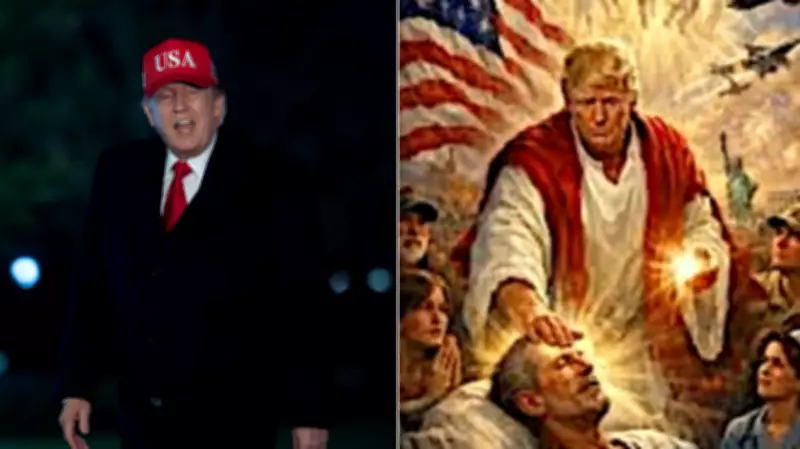
Former President Donald Trump ignited a firestorm of criticism from prominent right-wing and religious figures after sharing an AI-generated image that portrayed him as Jesus Christ on his Truth Social platform. The post, which was later deleted, drew immediate and harsh condemnation from former allies and conservative voices, who labeled it blasphemous and indicative of deeper spiritual concerns.
Swift Backlash from Former Allies
Among the most vocal critics was former Representative Marjorie Taylor Greene, a Republican from Georgia, who took to social media to express her dismay. She stated that the post was "more than blasphemy" and accused it of embodying an "Antichrist spirit." This strong language highlighted the depth of the rift caused by the controversial image.
Podcaster Candace Owens Joins the Fray
Podcaster Candace Owens added to the criticism during her show, suggesting that Trump might be under "demonic influence" and speculating that spiritual advisor Paula White could have "put a spell on him." Owens further argued that Trump is surrounded by the very elements he often criticizes in others, drawing ironic parallels to his public disputes with figures like Megyn Kelly and Tucker Carlson.

Widespread Condemnation Across Conservative Circles
The backlash extended beyond high-profile names, with various conservative and religious figures quickly condemning the AI-generated photo. Joel Webbon, a religious commentator, tweeted that he "genuinely believes Trump is currently demon possessed," reflecting the intense spiritual objections raised by the post.
Former Congressman Joe Walsh placed blame broadly, criticizing Trump's voters, Republican officials, media supporters, and other leaders for enabling what he saw as Trump's inflated self-perception. Walsh's comments underscored a broader frustration within some conservative factions over Trump's actions and their perceived consequences.
Religious Leaders Voice Concerns
Reverend Benjamin Cremer pointed out the hypocrisy in the situation, noting that if a Democratic president had posted such an image, Evangelical Christians would likely "implode." He questioned whether religious communities would speak out against Trump, casting doubt on their willingness to hold him accountable.
Brilyn Hollyhand, another religious figure, called the post "gross blasphemy" and emphasized that faith should not be used as a prop. He reminded followers that Jesus died for all, including Trump, urging humility and respect for religious symbols.
Media Reactions and Trump's Response
Alex Jones, a controversial media personality, highlighted that this incident reflects a recurring theme from the White House, suggesting a narrative that portrays Trump in a messianic light. Meanwhile, athlete and commentator Riley Gaines expressed confusion over Trump's motives, questioning whether he was seeking attention or genuinely believed the depiction, and warned that "God shall not be mocked."
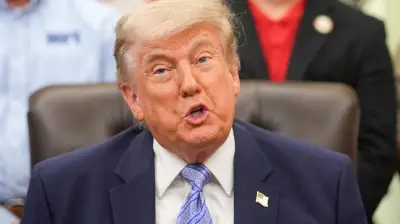
In response to the uproar, Trump addressed reporters at the White House, claiming that he thought the picture depicted him as a doctor rather than Jesus Christ. This explanation did little to quell the criticism, as many saw it as an attempt to downplay the controversial nature of the post.
Broader Implications and Ongoing Debate
The incident has sparked a wider debate about the use of artificial intelligence in political messaging and the boundaries of religious respect in public discourse. It also highlights the growing tensions within conservative circles, as some figures distance themselves from Trump's actions while others continue to support him.
As the story develops, it remains a focal point for discussions on technology, faith, and political accountability, with many watching to see how this controversy will impact Trump's standing among his base and in the broader political landscape.