Late-Day Cold Front Abruptly Halts Calgary's Warming Trend
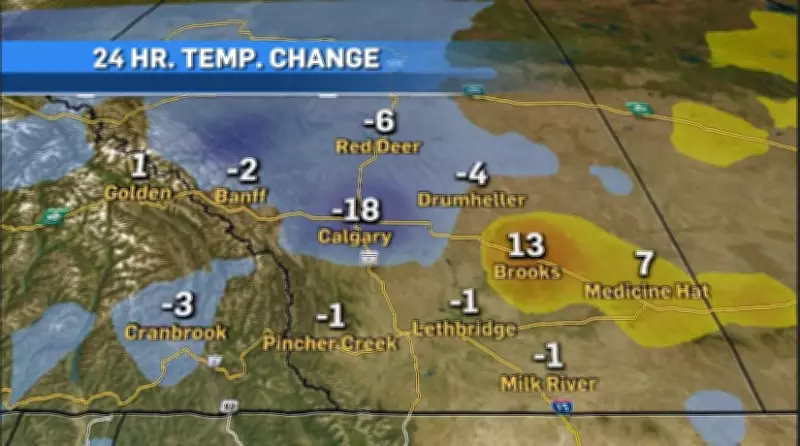
A sudden meteorological shift has brought Calgary's recent warming period to an abrupt end as a cold front moved through the region late Tuesday. The temperature reversal marks a significant departure from the unseasonably warm conditions that had characterized the early March period in Alberta's largest city.
Weather Pattern Reversal
Meteorologists report that the cold front arrived unexpectedly during the late afternoon and evening hours, causing temperatures to drop substantially from their daytime highs. The rapid change caught many residents off guard, particularly those who had been enjoying the spring-like conditions that had prevailed throughout much of the previous week.
"We've seen a dramatic shift in air masses," explained Gina Martin, a local weather analyst. "What was a warm, southerly flow has been replaced by cooler air from the northwest. This type of pattern reversal isn't uncommon during transitional seasons, but the speed of this particular change has been noteworthy."

Impact on Daily Life
The sudden temperature drop has several practical implications for Calgary residents:
- Outdoor activities planned for the coming days may need adjustment
- Gardening enthusiasts should protect early plantings from potential frost
- Commuters should prepare for potentially slippery road conditions
- Energy consumption patterns may shift as heating needs increase
Local authorities have advised residents to monitor weather updates closely and adjust their plans accordingly. The rapid cooling could create hazardous conditions, particularly on untreated surfaces during overnight hours when temperatures reach their lowest points.
Broader Climate Context
This weather event occurs against the backdrop of ongoing discussions about climate patterns in Western Canada. While individual cold fronts don't necessarily indicate long-term climate trends, meteorologists note that such abrupt transitions between warm and cold periods have become more frequent in recent years.
The current weather system is expected to influence conditions across southern Alberta for several days, with temperatures remaining below seasonal averages. However, forecast models suggest another warming trend may develop later in the week as different air masses move into the region.
Environment Canada continues to monitor the situation and will issue appropriate advisories if conditions warrant. Residents are encouraged to stay informed through official weather channels and prepare for potentially changeable conditions as winter transitions to spring in the Calgary area.