Dave Chappelle's Transgender Jokes Become GOP Fodder as Comedian Asserts He's Wronged
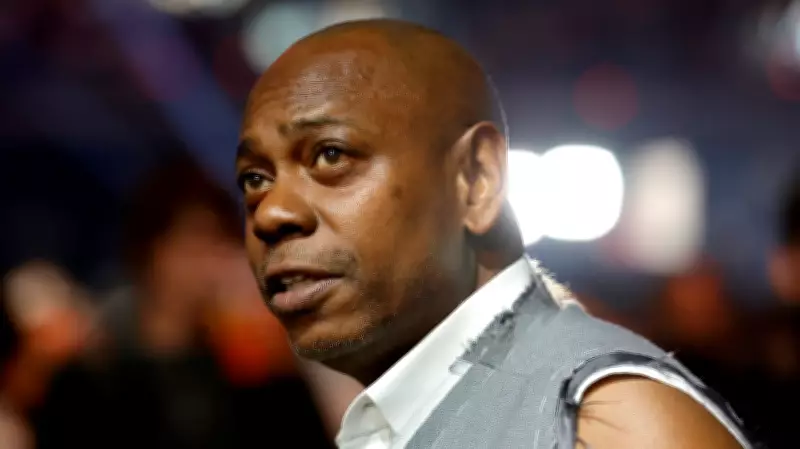
Legendary comedian Dave Chappelle has spent years directing jokes at transgender people, only to witness Republicans incorporate those same jokes into political campaigns. Now, he claims to be the victim in this controversy. During an interview for NPR's Newsmakers podcast, Chappelle once again defended his trans-targeting material from recent stand-up specials while expressing resentment toward political appropriation.
Weaponization of Comedy in Political Arenas
"I felt like they were doing a weaponized version of what I was doing. That's not what I was doing," Chappelle told NPR's Michel Martin, referring to the Republican Party's use of transgender jokes during campaigns. He described a visit to Capitol Hill where far-right Representative Lauren Boebert approached him for a photograph. "I didn't want to say 'no' in front of everybody, but I didn't know the phrase 'I respectfully decline,'" Chappelle explained. "So I just took the picture. And then she posted the picture and says something to the effect of, 'Just two people that know that it's just two genders.' Just instantly, like, weaponized or politicized."
Chappelle claims he confronted Boebert during a subsequent performance, stating, "I lit her ass up for doing that. And she should never do that to a person like me." This incident highlights how his comedy has been co-opted by political figures seeking to advance anti-trans narratives.

History of Controversial Material and Escalating Tensions
The comedian's targeting of transgender individuals began with his 2019 Netflix special "Sticks and Stones," where he compared trans identity to performing offensive racial caricatures. This occurred during a period of rising anti-LGBTQ violence, particularly against Black trans women, under the first Trump administration. Despite this context, Chappelle continued his trans-focused jokes in subsequent specials, declaring alignment with author J.K. Rowling's anti-trans views and stating he was on "team TERF."
Separate reports from Vulture allege that Chappelle mocked a nonbinary Saturday Night Live writer during a 2022 dress rehearsal. These incidents demonstrate a pattern of behavior that extends beyond stand-up stages into professional environments.
Selective Awareness and Strategic Celebrity
Chappelle's understanding of his influence appears selective. In 2022, he leveraged his celebrity status to speak at a Yellow Springs, Ohio city council meeting opposing affordable housing development. This demonstrates clear awareness of how his platform can impact policy decisions. Yet he claims surprise when his Netflix specials generate political consequences. Other comedians publicly challenged his trans jokes and their ramifications as he continued delivering them.
This selective awareness echoes Chappelle's earlier career decisions. He famously left "Chappelle's Show" and traveled to Africa after realizing white audiences were laughing at him rather than with him. This history of recognizing problematic audience reactions makes his current claims of victimhood particularly perplexing.
Criticism of Comedy Quality and Conservative Alignment
Beyond ethical concerns, critics argue Chappelle's trans jokes have become predictable and uninspired. What began as defiant comedy has transformed into monologues resembling rants from a disgruntled conservative uncle rather than innovative humor. Conservatives have eagerly embraced his material because it provides easy ammunition for punching down at marginalized groups.
Republicans have long employed humor as a tool to debase targeted communities, and Chappelle's jokes fit neatly into this strategy. As the child of college professors and a 52-year-old Black man in America, Chappelle understands how such playbooks operate and recognizes his role within them.
Refusal to Acknowledge Fault or Apologize
Despite complaining about GOP hijacking of his material, Chappelle refuses to accept any responsibility. He insists media outlets have engaged in "rage baiting" by misrepresenting his jokes. This mirrors his claims last year about being blacklisted by awards shows, despite winning six Grammys and receiving two Emmy nominations for the controversial specials in question.

When asked about trans people who object to his humor, Chappelle offered a flawed analogy: "I don't tell country artists what to sing about if I'm not going to go see a country show. If they bought tickets ever, maybe I'd listen." This comparison fails because choosing not to attend shows that mock one's existence differs fundamentally from simple genre preference.
Chappelle maintains his innocence regarding harm caused: "I don't feel like anything I do is malicious or even harmful. And I think if I did hurt somebody with my work, boy, they would have been laid that at my feet. I'm just not doing that." Yet criticism has been consistently presented to him since he began telling these jokes on stage.
Victimhood as Strategic Narrative
The comedian's embrace of victimhood mirrors tactics employed by the modern Republican Party, including claims of media bias and refusal to apologize. What has changed recently may be the financial implications of association with conservative politics. In today's climate, perceived alignment with Republicans and their ideologies can damage commercial interests.
Chappelle selected an easy target in transgender people and consequently attracted supporters who share prejudiced views. If he genuinely resents this association, the solution would involve changing his material rather than complaining about its consequences. His current stance suggests victimhood serves as a more useful narrative than factual accountability.