Vancouver's Iranian Community Experiences Emotional Whiplash
The fleeting jubilation felt by members of Vancouver's Iranian community upon learning that Iran's Supreme Leader Ayatollah Ali Khamenei had been killed in military strikes by the United States and Israel was abruptly cut short as devastating reports of civilian deaths began to emerge from the country. What began as a moment of hopeful celebration quickly transformed into a period of profound grief and concern for loved ones back home.
Devastating Civilian Casualty Reports Surface
Early Saturday morning, Iranian authorities confirmed that a missile had directly struck the Shajareh Tayyebeh school in Minab, southern Iran, resulting in the tragic deaths of 150 children. By Tuesday, the Iranian Red Crescent Society reported that over 700 civilians had been killed in the escalating conflict. These staggering numbers have cast a dark shadow over any political developments, reminding the world of the human cost of military actions.
Amnesty International has issued an urgent call for the protection of civilians in Iran, emphasizing the need for all parties to respect international humanitarian law and minimize harm to non-combatants. The organization's statement highlights growing global concern about the unfolding humanitarian crisis.

Personal Stories from Vancouver's Iranian Diaspora
Saba Aminaghaie, a 41-year-old who fled Iran just four months ago and now lives with her sister in Port Coquitlam, expressed the complex emotional turmoil experienced by many in the community. "It's a mix of different emotions. I was happy at first, then I was sad," she explained. "There is so much violence. This is the Islamic Republic's war, it's not the war of the people."
Aminaghaie, who was an active participant in the Women Life Freedom resistance movement and was detained multiple times by Iran's Morality Police for appearing in public without a hijab, remains cautiously hopeful that recent events might create meaningful change. "It's a chance for us. Another step in our revolution," she said, while acknowledging the painful reality that she cannot reach family members in Iran due to an internet blackout imposed by the regime.
Community Division and Historical Concerns
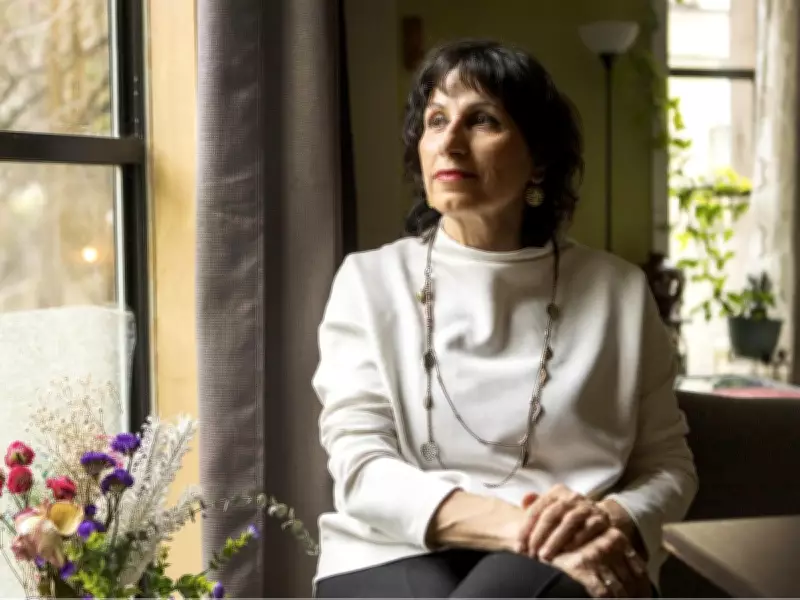
Tahmineh Sadeghi, another member of Vancouver's Iranian community, noted that despite months of unified protests calling for regime change, the local Iranian diaspora now finds itself divided in its response to recent developments. "Our regime is brutal and savage. The majority are desperate for change," Sadeghi stated, while expressing concern that desperation for political transformation might lead to support for problematic alternatives.
Sadeghi worries that the push to replace clerical rule with democracy could inadvertently swing support toward Reza Pahlavi, son of the late Shah Mohammad Reza Pahlavi, potentially leading to another totalitarian regime. "This could be history repeating itself," cautioned Sadeghi, who was just 14 years old when Mohammad Reza Pahlavi was deposed in 1979 after a broad-based populist movement united to oust him and install Ayatollah Khomeini.
"Everybody on the left, the right, in the centre said let's topple the dictator and then we will bring democracy. But if one person or one idea has too much power, money and legislative control, they are not going to let democracy go ahead," Sadeghi reflected, drawing parallels between past and present political dynamics.
Historical Context and Contemporary Fears
In 1979, Ayatollah Khomeini quickly consolidated power after the revolution, establishing a theocratic state and creating the Islamic Revolutionary Guard Corps, which evolved into a brutal security force. The life defined by freedom and equality that many young Iranians had anticipated was brutally curtailed as Khomeini systematically restricted women's rights and other civil liberties.
This historical precedent informs current anxieties within the Iranian diaspora, who fear that any political transition might follow a similar pattern of dashed hopes and renewed oppression. The internet blackouts that have become a frequent tool used by the clerical regime to quell protests and suppress information further complicate communication and amplify concerns about what might be happening beyond the reach of international media.

The emotional journey of Vancouver's Iranian community—from initial celebration to sober reflection—mirrors the complex realities of geopolitical conflict, where political developments are inextricably linked with human suffering. As the situation continues to evolve, members of the diaspora remain connected to events in their homeland through a painful mixture of hope, grief, and determination for a better future.