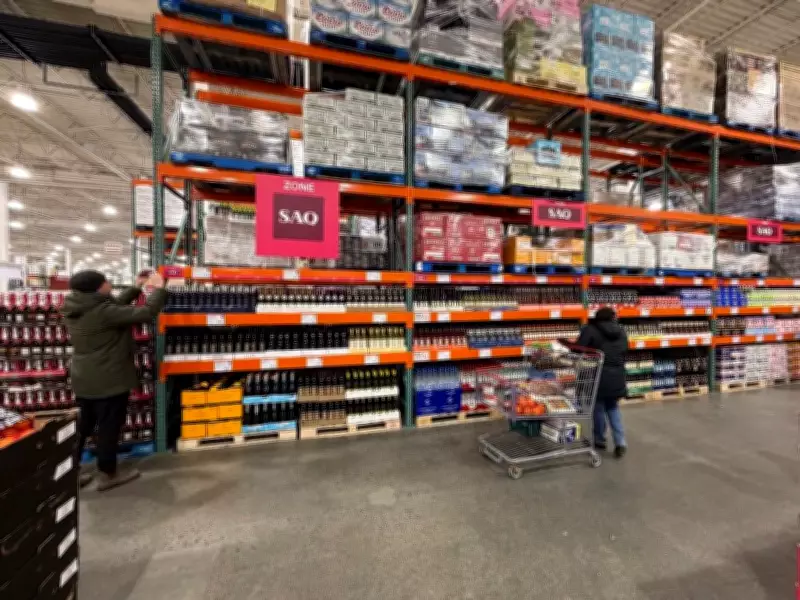
SAQ Zones in Major Retailers Raise Public Health Alarms
Public health experts are sounding the alarm over new SAQ zones being introduced inside large retailers such as Maxi and Costco. These zones, which will sell hard liquor directly within the stores, are expected to make spirits significantly easier for consumers to purchase during their regular shopping trips.
Increased Accessibility and Consumption Risks
The primary concern among health professionals is that the convenience of buying liquor alongside groceries and household items could lead to a notable increase in alcohol consumption. By integrating alcohol sales into everyday retail environments, these SAQ zones may normalize the purchase of spirits and reduce the perceived barriers to obtaining them.
Experts emphasize that easier access to alcohol often correlates with higher rates of consumption, which can have serious implications for public health. Issues such as addiction, liver disease, and alcohol-related accidents are potential consequences that could see a rise if these zones become widespread.

Broader Implications for Retail and Society
The move to establish SAQ zones in stores like Maxi and Costco represents a significant shift in how alcohol is marketed and sold in Quebec. While it may boost sales for the retailers and the SAQ, it also raises questions about the balance between commercial interests and public welfare.
Health advocates are calling for stricter regulations and public awareness campaigns to mitigate the risks associated with increased alcohol availability. They argue that without proper safeguards, the convenience of these zones could outweigh the potential health hazards for vulnerable populations.
As these SAQ zones begin to roll out, ongoing monitoring and research will be crucial to assess their impact on alcohol consumption patterns and public health outcomes. The debate highlights the ongoing tension between accessibility and safety in the retail sector.