Montreal Supervised Consumption Site Forced to Reduce Hours as Funding Dries Up
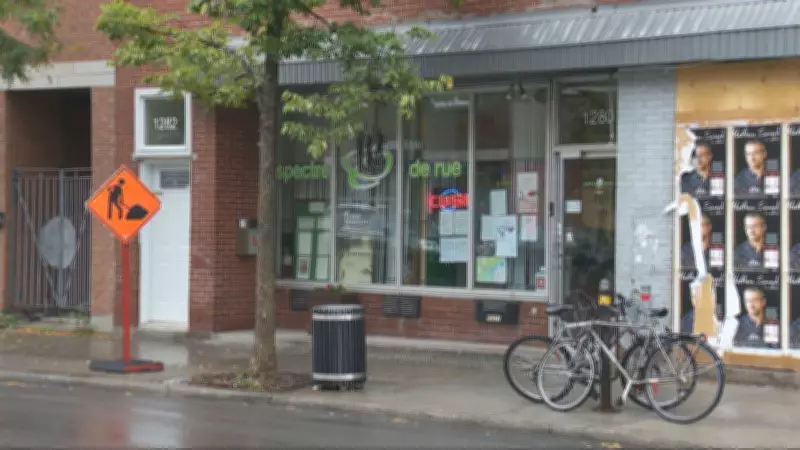
The Spectre de Rue safe injection site in Montreal, a vital public health facility, is being compelled to significantly cut back its operating hours due to a severe and ongoing lack of financial resources. This reduction in service availability directly threatens the site's capacity to provide essential harm reduction services to the community it serves.
Immediate Impact on Harm Reduction Services
The decision to scale back hours comes as the organization faces unsustainable funding pressures. Supervised consumption sites like Spectre de Rue offer a critical, evidence-based service by providing a safe, hygienic environment for individuals to use pre-obtained drugs under the supervision of trained staff. These facilities are proven to prevent overdose deaths, reduce the transmission of infectious diseases such as HIV and hepatitis C, and connect vulnerable individuals with healthcare and social services.
The reduction in operational hours means fewer opportunities for these life-saving interventions, potentially leading to an increase in public drug use, discarded needles in the community, and a higher risk of fatal overdoses occurring without medical supervision. This development highlights the fragile nature of funding for essential social and health services, even those with demonstrated public health benefits.

Broader Context and Community Concerns
This funding shortfall occurs within a larger national context where the opioid crisis and substance use disorders continue to pose significant challenges. Safe consumption sites are a cornerstone of many public health strategies aimed at addressing these complex issues. The service cutbacks in Montreal raise urgent questions about the long-term sustainability of such programs and the commitment to evidence-based harm reduction policies.
Public health advocates and community organizations are expressing deep concern, warning that reduced access to supervised consumption services could reverse hard-won progress in overdose prevention and community health. They emphasize that these sites not only save lives but also alleviate pressure on emergency medical services and hospitals by preventing crises before they require acute care.
The situation at Spectre de Rue underscores a critical need for stable, long-term funding models for harm reduction services. As the site adjusts to its new, limited schedule, the immediate well-being of its clients and the broader public health implications for Montreal remain uncertain, calling for swift attention from policymakers and funders.