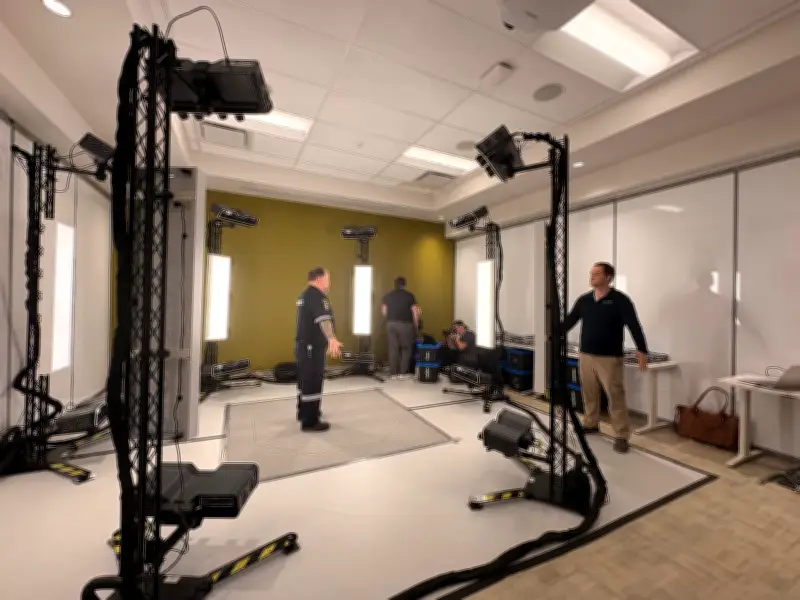
A new research laboratory called MOSAIC has opened inside the headquarters of MLPS in London, Ontario, designed to study workplace injuries under real-world conditions. The lab aims to develop strategies that stop injuries before they happen, according to researchers involved in the project.
Real-World Simulation for Injury Prevention
The MOSAIC lab replicates actual work environments to observe how injuries occur and test preventive measures. Researchers will analyze movement patterns, equipment use, and environmental factors that contribute to common workplace injuries. The goal is to identify risks early and implement changes that reduce harm.
“We are bringing the lab to the workplace rather than the other way around,” said a spokesperson for MLPS. “This allows us to see exactly what happens during a typical workday and find solutions that fit real conditions.”

Data-Driven Safety Solutions
The lab uses sensors, cameras, and wearable technology to collect data on worker movements and ergonomics. This information helps researchers pinpoint hazardous tasks and recommend adjustments to tools, workflows, or training. Early findings suggest that even small changes in posture or equipment placement can significantly lower injury rates.
According to the project team, workplace injuries cost Canadian businesses billions annually in lost productivity and healthcare. By preventing injuries, the MOSAIC lab could save money and improve worker well-being.
Collaboration with Industry Partners
The initiative is a collaboration between MLPS, local universities, and occupational health experts. Funding comes from both public and private sources, reflecting broad interest in reducing workplace harm. The lab will share its findings with other companies and industries to maximize impact.
“We want to create a blueprint for injury prevention that can be used across sectors,” the spokesperson added. “The knowledge gained here will help protect workers everywhere.”
The lab is expected to operate for at least three years, with results published regularly. Researchers hope the model will be replicated in other regions and industries.