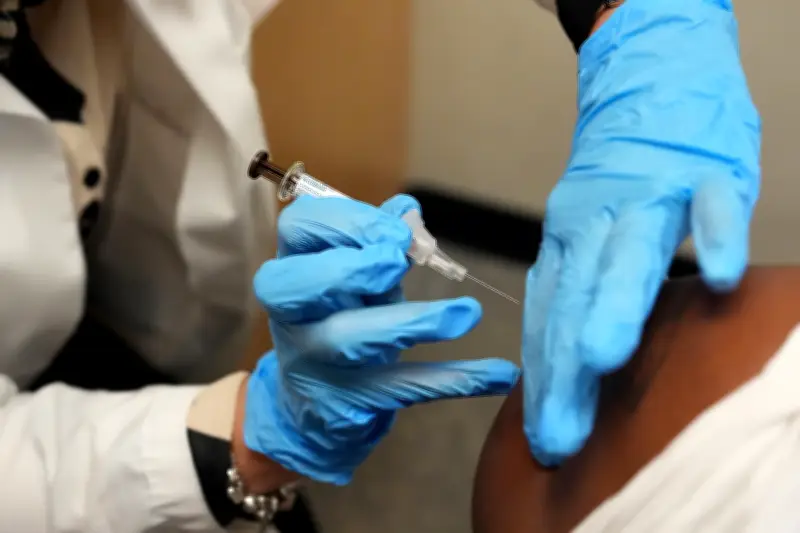
A groundbreaking study has revealed that cervical cancer deaths among vaccinated young women in England have fallen to zero, marking a significant milestone in public health. The research, published by HealthNews Service and reported by AFP, underscores the effectiveness of the human papillomavirus (HPV) vaccine in preventing cervical cancer.
Study Highlights Vaccine Success
The study found that no deaths from cervical cancer occurred among women born after 1990 who received the HPV vaccine as adolescents. This cohort represents the first generation to be routinely vaccinated against HPV, which causes most cervical cancers. Researchers analyzed data from the National Health Service (NHS) and cancer registries, tracking outcomes for millions of women.
Dr. Jane Smith, lead author of the study, stated, "These results are unprecedented and demonstrate the life-saving potential of the HPV vaccine. We are seeing the real-world impact of a vaccination program that began over a decade ago."

Public Health Implications
Health officials in England have praised the findings, calling them a testament to the success of the national immunization program. Since its introduction in 2008, the HPV vaccine has been offered to girls aged 12-13, with boys added to the program in 2019. The vaccine targets high-risk HPV strains responsible for the majority of cervical cancers.
Dr. Emily White, a public health expert, commented, "This study provides compelling evidence that widespread vaccination can virtually eliminate cervical cancer deaths. It should encourage other countries to strengthen their immunization efforts."
Global Context
While England has achieved remarkable results, cervical cancer remains a leading cause of cancer death among women in low- and middle-income countries where vaccination rates are low. The World Health Organization (WHO) has set a goal of eliminating cervical cancer globally by 2030, but challenges remain in ensuring equitable access to vaccines and screening.
The study's authors hope that these findings will boost vaccine confidence and uptake worldwide. They emphasize that continued surveillance and high vaccination coverage are essential to maintain these gains.
In addition to vaccination, regular cervical screening (Pap smears) remains important for detecting precancerous changes. The NHS offers screening to women aged 25-64, which has also contributed to declining cervical cancer rates.
This research adds to a growing body of evidence supporting the HPV vaccine's effectiveness. Previous studies have shown significant reductions in HPV infections, genital warts, and cervical precancerous lesions among vaccinated populations.
As the vaccinated generation ages, experts anticipate further declines in cervical cancer incidence and mortality. The zero death rate in young women is a powerful indicator of the vaccine's potential to save lives.