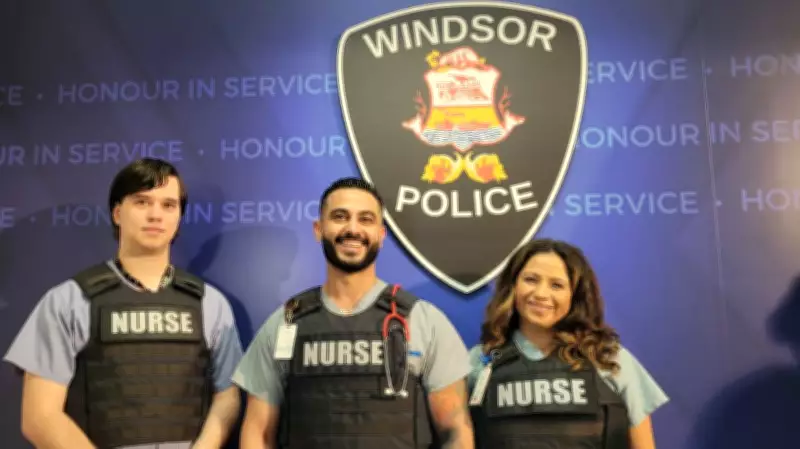
Windsor's Innovative Nurse-Police Partnership Addresses 510 Calls in 2026
A groundbreaking collaborative effort between healthcare professionals and law enforcement in Windsor, Ontario, has proven highly effective, with the specialized nurse-police team responding to a total of 510 calls throughout the year 2026. This initiative, designed to better manage health-related emergencies and mental health crises, showcases a progressive approach to public safety and community well-being.
Team Composition and Operational Success
The team comprises experienced nurse practitioners, including Sean Clavette, Abbas Haidar, and Yemmi Calito, who work alongside police officers to provide on-site medical assessments and interventions. By integrating medical expertise into emergency response, the program aims to de-escalate situations, offer immediate care, and connect individuals with appropriate health services, thereby reducing unnecessary hospital visits and alleviating pressure on conventional emergency systems.
This model has garnered attention for its ability to handle a diverse range of incidents, from mental health episodes to substance abuse-related calls, with a focus on compassionate and evidence-based solutions. The 510 calls responded to in 2026 highlight the team's active role in the community and its capacity to address complex needs that often fall outside the scope of traditional policing.

Broader Implications and Future Outlook
The success of the Windsor nurse-police team reflects a growing trend across Canada towards integrated health and safety strategies. Similar programs in other municipalities have reported positive outcomes, including improved patient outcomes, reduced emergency room congestion, and enhanced trust between residents and authorities.
As healthcare systems face ongoing challenges, such initiatives offer a promising pathway to more efficient and humane emergency response. The data from 2026 suggests that expanding such collaborations could lead to significant benefits, including cost savings and better resource allocation in public services.
Looking ahead, stakeholders are optimistic about the potential for further development and replication of this model. Continued evaluation and community feedback will be crucial in refining the approach and ensuring it meets the evolving needs of Windsor and beyond.