Sisters of St. Martha Conclude 120-Year Healthcare Mission in Nova Scotia
The Sisters of St. Martha, a religious order deeply embedded in Nova Scotia's medical history, are officially ending their 120-year tenure of healthcare service in the province. This decision marks the conclusion of a profound legacy that has shaped regional healthcare delivery and community support for over a century.
A Century of Dedicated Service
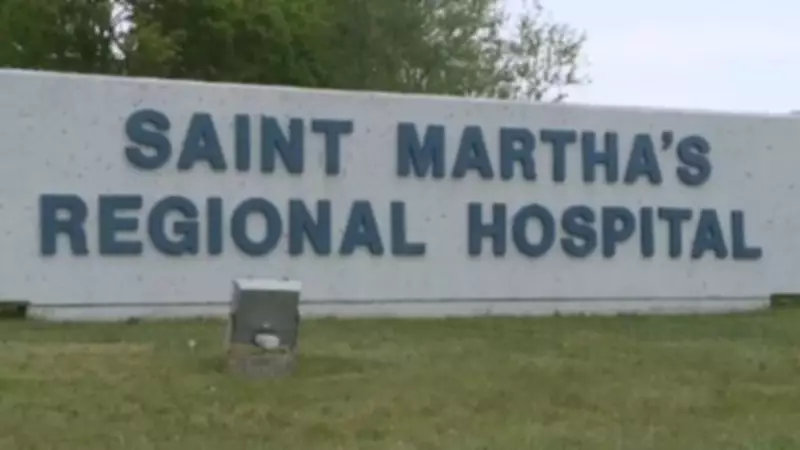
Since their establishment in the early 20th century, the Sisters of St. Martha have been instrumental in providing compassionate care and medical services across Nova Scotia. Their work has been particularly significant at St. Martha's Regional Hospital, where they have served as administrators, nurses, and caregivers, creating a foundation of trust and excellence in patient care.
The sisters' contributions extended beyond hospital walls, encompassing community health initiatives, elder care, and support for vulnerable populations. Their holistic approach to healthcare emphasized both physical healing and spiritual comfort, reflecting their religious mission while addressing the diverse needs of Nova Scotian communities.

Impact on Regional Healthcare Infrastructure
The departure of the Sisters of St. Martha represents a pivotal moment in Nova Scotia's healthcare landscape. For decades, they have been a stabilizing force in regional medical services, often operating in areas where government resources were limited. Their work helped establish critical healthcare infrastructure that continues to serve residents today.
This transition comes at a time when Nova Scotia's healthcare system faces ongoing challenges, including staffing shortages and increasing demand for services. The sisters' exit underscores broader shifts in healthcare delivery, particularly the declining involvement of religious orders in institutional medical care across Canada.
Legacy and Future Implications
While the Sisters of St. Martha are concluding their formal healthcare operations, their legacy will endure through the institutions they helped build and the standards of care they established. Community members and healthcare professionals alike acknowledge the profound impact of their service, which has touched generations of Nova Scotians.
The transition raises important questions about how healthcare services will evolve in the region. As religious orders step back from direct medical provision, there is increasing reliance on public healthcare systems and secular organizations to fill these roles. This shift may lead to new models of care delivery in Nova Scotia's communities.
Despite these changes, the Sisters of St. Martha's commitment to compassionate service remains a benchmark for healthcare excellence. Their 120-year mission stands as a testament to the power of dedicated caregiving and community-oriented medicine in shaping healthier societies.