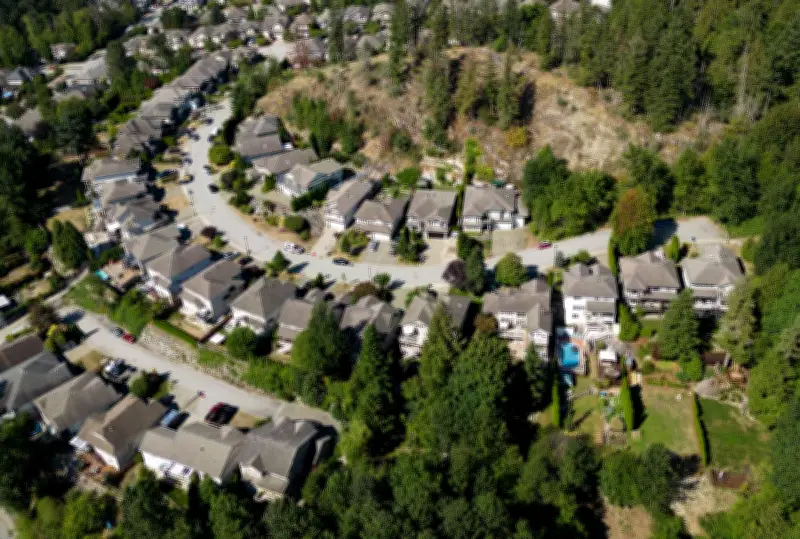
The Canadian Press reports that with many seniors feeling house rich but cash poor, reverse mortgages are gaining attention as a way to tap home equity without selling. However, financial experts caution that these loans carry high fees and interest, and should only be considered after exploring other options.
What is a reverse mortgage?
A reverse mortgage allows homeowners aged 55 and older to borrow against a portion of their home's value. The loan does not need to be repaid until the homeowner moves out, sells, or passes away. Interest accrues over time, and the loan balance can grow significantly.
When it might make sense
According to Penelope Graham, Head of Content at Ratehub.ca, reverse mortgages can be a last resort for seniors who have substantial home equity but insufficient cash flow for living expenses, home repairs, or medical costs. She notes that the Bank of Canada's rate decisions affect reverse mortgage rates, which are typically higher than traditional mortgages.

Graham says, "For someone who wants to stay in their home and has no other way to access funds, a reverse mortgage can provide financial breathing room. But it's essential to understand the long-term costs."
Risks and drawbacks
Reverse mortgages often come with high interest rates and upfront fees, including appraisal and legal costs. The loan balance can quickly erode equity, leaving less inheritance for heirs. Additionally, homeowners must continue to pay property taxes, insurance, and maintenance.
According to a 2025 report from the Financial Consumer Agency of Canada, the average reverse mortgage interest rate was 6.5%, compared to 4.2% for a traditional mortgage. Over 10 years, a $100,000 reverse mortgage could accumulate over $87,000 in interest.
Alternatives to consider
Experts recommend seniors first explore other options: downsizing, a home equity line of credit (HELOC), a secured line of credit, or government programs like the Guaranteed Income Supplement. Some provinces also offer property tax deferral programs for low-income seniors.
Graham advises, "A reverse mortgage should be a tool of last resort. Speak with a financial advisor and compare all available options before committing."