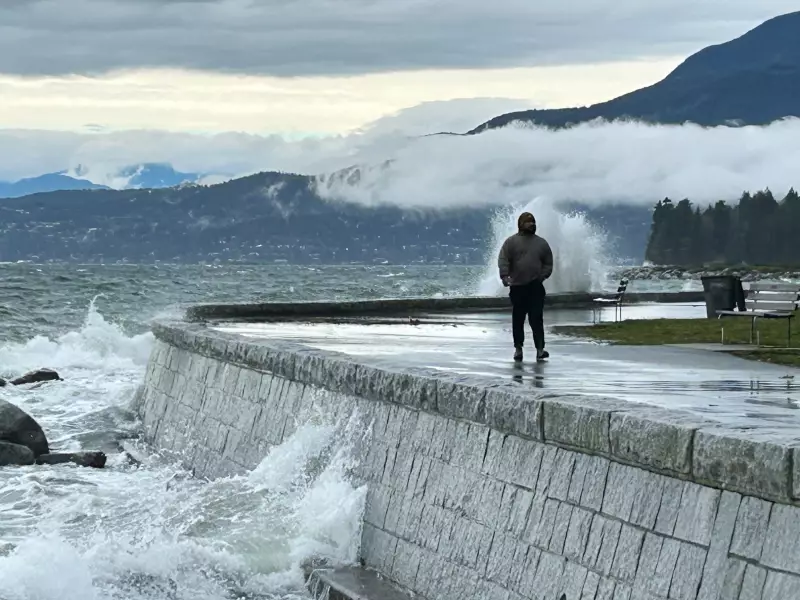
Residents along British Columbia's South Coast are being warned to prepare for potential flooding this weekend as a combination of powerful weather forces aligns. The primary threat comes from a significant storm surge expected to coincide with seasonal high tides, raising the risk of coastal inundation.
A Perfect Storm of Conditions
The upcoming weather event hinges on the precise timing of atmospheric and oceanic patterns. Meteorologists are tracking a strong low-pressure system that will drive a storm surge toward the coastline. The danger is amplified because this surge is predicted to arrive during a period of high astronomical tides, which naturally elevate sea levels. This coincidence can push water levels beyond typical boundaries, threatening seawalls, low-lying areas, and shoreline infrastructure.
While the forecast is still being refined, the conditions echo past events that have caused damage in the region. The situation underscores the vulnerability of coastal communities to compounding extreme weather events, a concern that is increasingly relevant in the context of climate change.

Historical Context and Regional Preparedness
The South Coast of B.C. is no stranger to the power of the Pacific. The region has experienced numerous damaging storms, with flooding often causing road closures, property damage, and erosion. Local authorities and emergency management teams are monitoring the forecasts closely and are likely to issue specific advisories as the weekend approaches.
Key areas of concern typically include parts of Vancouver, Richmond, Delta, and other municipalities with extensive shoreline. Residents in these zones are advised to take precautionary steps, such as securing loose outdoor items, ensuring storm drains are clear, and preparing emergency kits. Avoiding shoreline paths and beaches during the peak of the storm is strongly recommended for public safety.
Looking Ahead and Staying Safe
The specific impacts will depend on the final track and intensity of the weather system. Factors like wind direction and duration will play a critical role in determining which areas see the highest water levels. Officials urge the public to stay updated through official channels like Environment Canada and local emergency services for the latest warnings.
This event serves as a critical reminder for coastal dwellers to have a plan for severe weather. Understanding local flood zones, knowing evacuation routes if necessary, and heeding official advice are the best defenses against the unpredictable nature of such storms. The community's resilience will be tested by how well it prepares for the rising waters forecasted for the coming days.