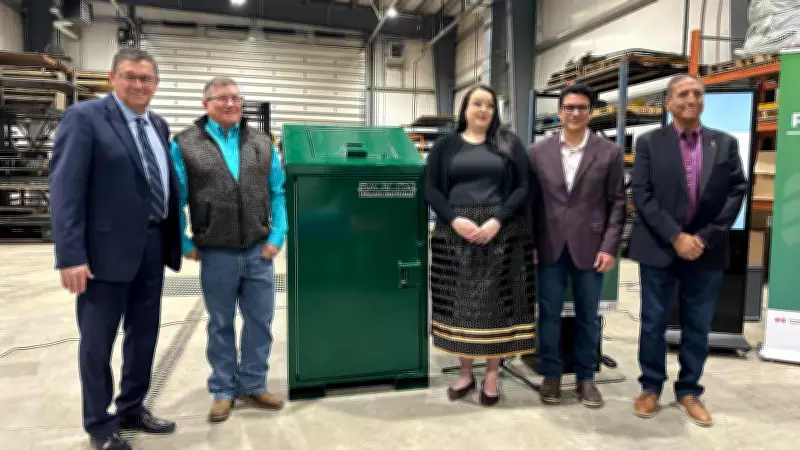
In a significant move to promote sustainable agricultural practices and support Indigenous economic development, the federal government has announced a substantial investment in a clean technology project on Cowessess First Nation in Saskatchewan. On Sunday, February 22, 2026, MP Buckley Belanger, representing the Government of Canada, revealed that $855,000 in funding will be allocated to construct a state-of-the-art bio-fertilizer production facility on the First Nation's territory.
Advancing Green Innovation and Indigenous Sovereignty
This initiative marks a pivotal step in fostering environmental stewardship while simultaneously empowering the Cowessess community through job creation and technological advancement. The bio-fertilizer facility is designed to produce organic fertilizers from local agricultural waste, reducing reliance on chemical alternatives and minimizing the carbon footprint associated with traditional farming methods. By leveraging innovative clean technology, the project aims to enhance soil health, boost crop yields, and contribute to a circular economy within the region.
Economic and Environmental Benefits
The investment is expected to generate numerous economic opportunities for Cowessess First Nation members, including direct employment during the construction phase and ongoing operational roles once the facility is fully functional. Additionally, the project aligns with broader federal goals to combat climate change and promote sustainable resource management. Bio-fertilizers are known for their ability to improve nutrient absorption in plants, decrease greenhouse gas emissions, and prevent soil degradation, making them a crucial component of modern, eco-friendly agriculture.

MP Buckley Belanger emphasized the government's commitment to partnering with Indigenous communities to drive forward-looking solutions that address both economic and environmental challenges. "This project exemplifies how strategic investments in clean technology can create lasting benefits for First Nations and contribute to a healthier planet," Belanger stated during the announcement. The funding is part of a larger federal strategy to support Indigenous-led initiatives that harness renewable resources and promote self-sufficiency.
Collaborative Efforts and Future Prospects
The development of the bio-fertilizer facility on Cowessess First Nation is the result of collaborative planning between community leaders, environmental experts, and government officials. This partnership ensures that the project not only meets technical standards but also respects cultural values and traditional knowledge. Looking ahead, the success of this facility could serve as a model for similar clean technology ventures across Canada, demonstrating the potential for Indigenous communities to lead in the green economy.
As construction moves forward, stakeholders will monitor the project's impact on local agriculture and its contribution to national sustainability targets. With this investment, Ottawa reaffirms its dedication to fostering innovation that supports both Indigenous prosperity and environmental conservation, setting a precedent for future initiatives in the clean technology sector.