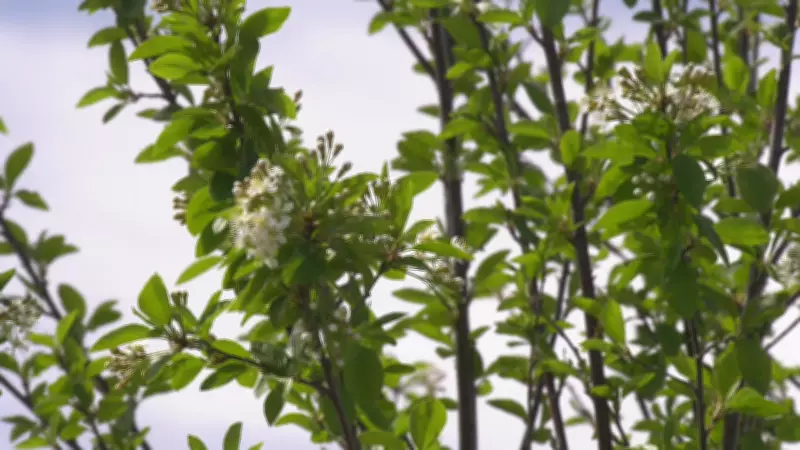
A late flowering season in Edmonton has been identified as the culprit behind a delayed allergy season, leaving many residents suffering from prolonged hay fever symptoms. As of May 25, 2026, trees and plants that typically bloom earlier in spring are only now releasing pollen, intensifying allergic reactions.
Pollen Peak Pushed Back
According to local allergists, the delayed bloom is due to cooler-than-average temperatures in early spring, which slowed plant development. This shift means that the peak pollen period, usually in April and early May, has moved to late May and June. Trees such as birch, poplar, and maple are now in full bloom, releasing high levels of pollen into the air.
Health Impacts on Residents
Many Edmontonians have reported more severe allergy symptoms this year, including sneezing, itchy eyes, and congestion. Dr. Sarah Mitchell, an allergist at the University of Alberta Hospital, explains: “The delayed season means that people are exposed to a concentrated burst of pollen over a shorter period, which can trigger stronger reactions.” She recommends that allergy sufferers start taking antihistamines before symptoms appear and consider using nasal sprays.

Climate Change Connection
Researchers note that shifting blooming patterns are linked to climate change. Warmer winters and unpredictable spring temperatures can disrupt plant cycles. A study from Environment Canada suggests that if trends continue, allergy seasons may become longer and more intense across Canada. Edmonton’s urban forest, which includes many pollen-producing trees, may exacerbate the issue.
Tips for Managing Symptoms
To cope with the delayed allergy season, experts advise:
- Check daily pollen counts and stay indoors when levels are high.
- Keep windows closed at home and in the car.
- Shower and change clothes after being outside.
- Use air purifiers with HEPA filters.
While the late flowering has brought colorful blooms to the city, it has also reminded residents of the growing impact of environmental changes on health. As Edmonton adapts to shifting seasons, awareness and preparation become key to managing allergies.