Prime Minister Mark Carney has stated that a new oil pipeline to the West Coast depends on establishing a carbon capture hub in northern Alberta. However, on May 1, Martha Hall Findlay, former Liberal MP and Suncor executive who championed the $20-billion Pathways Plus carbon capture project, reversed her stance. In a Globe and Mail op-ed, she argued that "now is not the time" for this scheme she had promoted for five years.
Industry and Communities Push Back
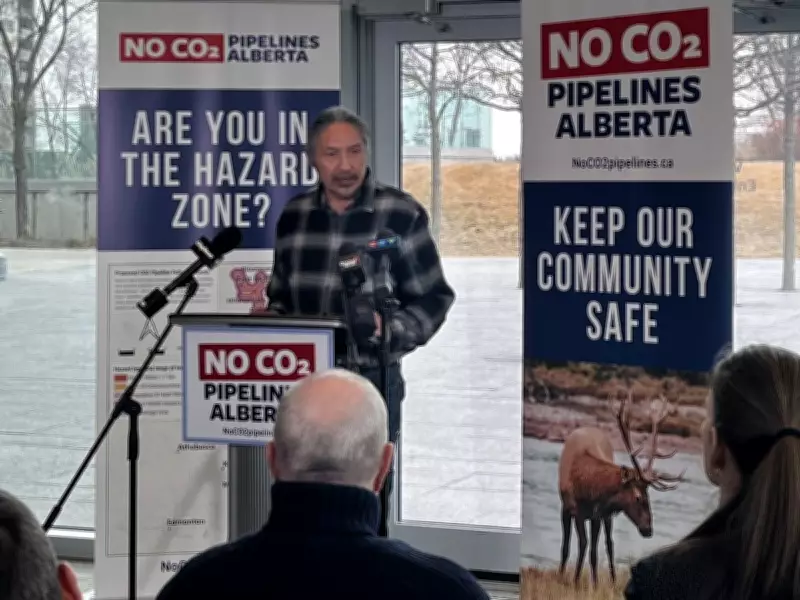
Hall Findlay explained that if Canada values economic and political sovereignty, it should prioritize building oil pipelines across the Rockies rather than spending taxpayer money on an expensive, complex plan that has "frankly, a negligible effect on global emissions." It remains unclear why Carney is doubling down on carbon capture when even industry proponents are backing away. Farmers, First Nations, and rural landowners who would live along the proposed 600-kilometre pipeline's 20-kilometre-wide "hazard corridor" have their own reasons for opposing it.
Safety Concerns Highlighted by Past Disaster
In February 2020, heavy rain caused ground shifting near a high-pressure CO2 pipeline outside Satartia, Mississippi. Around 7 p.m., the pipe exploded, releasing a plume of cold, dense, powdery fog that stalled cars, caused seizures, knocked people unconscious, and sent 45 to the hospital. First responders struggled to reach victims because engines failed without oxygen. Residents still suffer chronic health issues. The sheriff noted that if the leak had occurred at night, 200 people might have died. In Alberta, there is no requirement for CO2 emergency response plans, leaving volunteer firefighters, paramedics, and RCMP officers unprepared for such a disaster.

Financial Burdens on Taxpayers
The five major oil companies behind the Pathways Project, which earned about $167 billion in revenue in 2025 (including $30 billion in profit), want taxpayers to cover the $20-billion cost. The federal government has offered a 50% tax credit, and Alberta has pledged 12%, but the companies say it is insufficient. Additionally, operating costs after construction remain uncertain.
Track Record of Failure
Most CCUS projects globally are unsuccessful. Eighty percent never launch, and those that do capture only 10-78% of intended carbon. For instance, the Alberta Carbon Trunk Line, opened five years ago, operates at just 10% capacity while costs have surged 60%.