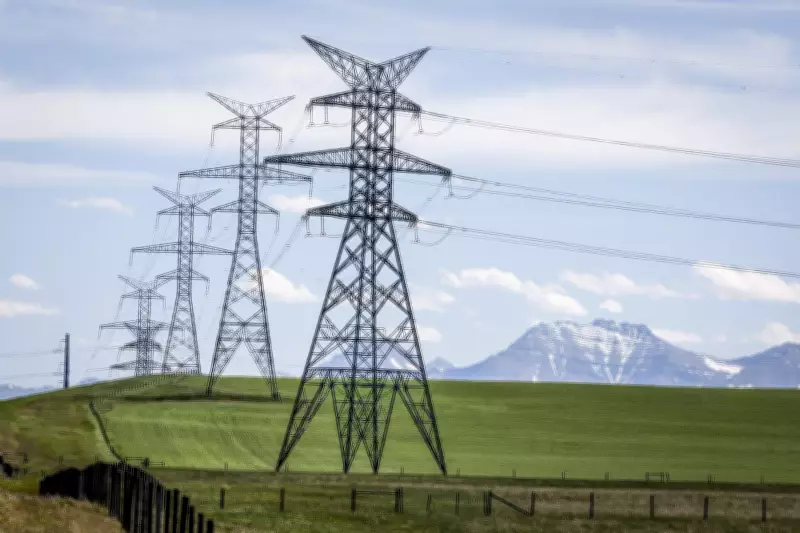
Prime Minister Carney has unveiled a plan to lower electricity costs, but experts warn that the benefits of a major grid expansion may take decades to reach consumers. The announcement comes amid ongoing debates about energy infrastructure and affordability in Canada.
Plan Details and Challenges
The proposed expansion aims to modernize and increase capacity of the national electricity grid. However, similar projects historically have faced lengthy timelines due to regulatory hurdles, construction delays, and cost overruns. A discussion paper has floated options for federal funding to support the giant electrical grid buildout.
Expert Opinions
Energy analysts note that while grid expansion is essential for integrating renewable sources and improving reliability, the impact on household bills is uncertain. 'Infrastructure investments often take 20 to 30 years to pay off,' said one expert. 'Consumers may not see immediate savings.'

Political Context
The plan has sparked political debate, with some arguing that selling public assets could help fund the project. PM Carney stated the government is open to such measures, but critics warn of long-term risks. The announcement follows a judge's overturning of an Alberta separation petition, with Carney emphasizing that Canada is the 'best place' for Alberta.
Broader Energy Landscape
Meanwhile, Canadian farmers brace for the most expensive planting season ever, and the public health agency warns that the World Cup poses a high risk of measles spread. These issues highlight the interconnected challenges of energy costs, agriculture, and public health.
As the grid expansion plan moves forward, Canadians will be watching closely for tangible benefits. But for now, the promise of lower electricity bills remains a distant prospect.