Chile is confronting a devastating wildfire crisis that has resulted in significant loss of life and property. The fires, which erupted with ferocious intensity, have claimed the lives of 19 people and rendered approximately 1,500 residents homeless, according to reports from The Associated Press.
A Scene of Devastation and Loss
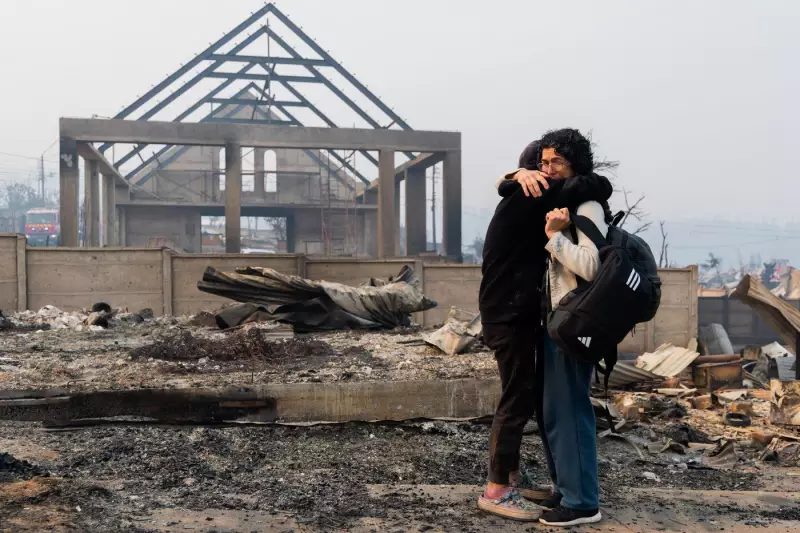
The human toll of the disaster was captured in a poignant image from the town of Tome on Monday, January 19, 2026. A photograph by Javier Torres shows Mirtza Aguilera and her daughter embracing in front of the charred remains of their family home. This single frame encapsulates the profound personal loss experienced by hundreds of families as the wildfires swept through residential areas, consuming everything in their path.
Emergency services and firefighters are engaged in a relentless battle against the flames. The scale of the blazes has prompted a large-scale response, but challenging conditions have hampered efforts to bring the situation fully under control. The fires have caused widespread destruction to infrastructure and natural landscapes.

Emergency Response and Mounting Challenges
Authorities have declared a state of emergency in the affected regions, mobilizing national resources to fight the fires and assist the displaced population. The immediate priority is containing the fire fronts to prevent further spread and loss. Shelters and aid stations have been established to provide refuge for the 1,500 individuals who have lost their homes, offering essential supplies, medical care, and temporary housing.
The cause of the wildfires is under investigation, though factors such as prolonged drought, high temperatures, and strong winds—conditions exacerbated by broader climate patterns—are believed to have created a tinderbox environment. This disaster echoes similar catastrophic wildfire seasons experienced in other parts of the world, highlighting the increasing volatility of fire weather.
Long Road to Recovery Ahead
The aftermath of the fires presents a long and difficult recovery phase for Chile. Beyond the tragic death toll, the economic and social impact will be felt for years. Rebuilding homes, businesses, and community infrastructure will require a sustained national effort and significant financial resources.
Psychological support for survivors, including those who have lost loved ones and all their possessions, will be a critical component of the recovery process. The image of the Aguilera family embracing amidst the ashes serves as a stark reminder that behind the statistics are individual stories of resilience facing a monumental task of rebuilding their lives from the ground up.