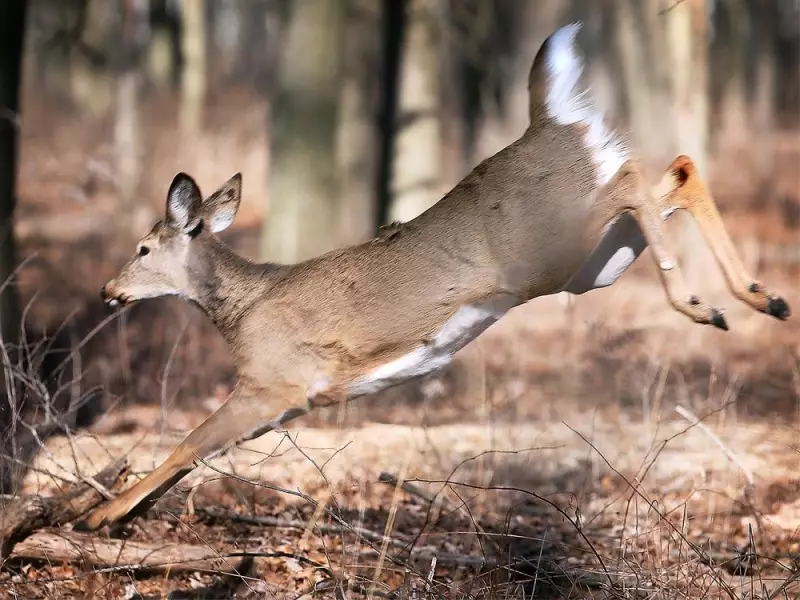
Point Pelee National Park is set to close its gates temporarily as wildlife management efforts ramp up. The park will be off-limits to visitors from January 16 to 21, 2026, reopening on January 22. This closure facilitates the second phase of an annual deer cull, a collaborative initiative between Parks Canada and Caldwell First Nation.
A Necessary Step for Ecosystem Health
The cull is a direct response to a white-tailed deer population that has grown beyond the park's carrying capacity. Following population counts in the winter of 2024, officials estimated between 51 and 61 deer reside within the park's boundaries. Parks Canada states the ideal population for maintaining ecological balance is significantly lower, between 24 and 32 deer.
This effort continues a management program that began in 2015. "These efforts are guided by the shared goals of restoring ecological balance and supporting food sustainability for Caldwell First Nation," Parks Canada explained. The overpopulation, termed "hyperabundant," occurs when wildlife numbers grow too large for the environment to support or begin to negatively impact species at risk.

Collaboration and Cultural Significance
The partnership with Caldwell First Nation is a cornerstone of the management strategy. The deer cull is not solely a population control measure; it also serves important cultural and community purposes. The program creates opportunities for the First Nation to mentor youth, strengthen traditional connections, and share knowledge with Parks Canada staff.
"Through collaborative decision-making, Parks Canada and Caldwell First Nation are working together to support ecosystem health and balance by reducing the white-tailed deer population," the agency noted. The broader program includes ecosystem monitoring, deer population tracking, protection for species at risk, and ongoing research.
Addressing Hyperabundant Species
The white-tailed deer is one of two species identified as hyperabundant within Point Pelee National Park. The other is the double-crested cormorant. Parks Canada provided a stark example of that bird's population explosion: from just three nests found on the island in 1987 to 5,202 nests thirteen years later in 2000. Management strategies for the cormorants have included culls, the use of scarecrows, and nest removal.
This year's deer cull follows an initial phase conducted in November 2025. The temporary park closure is a standard procedure to ensure public safety during the management operations. Visitors are advised to plan their trips accordingly, with the park resuming its regular hours on January 22.