Deer in Distress: Halloween Bucket Traps Animal in Pittsburgh Neighborhood
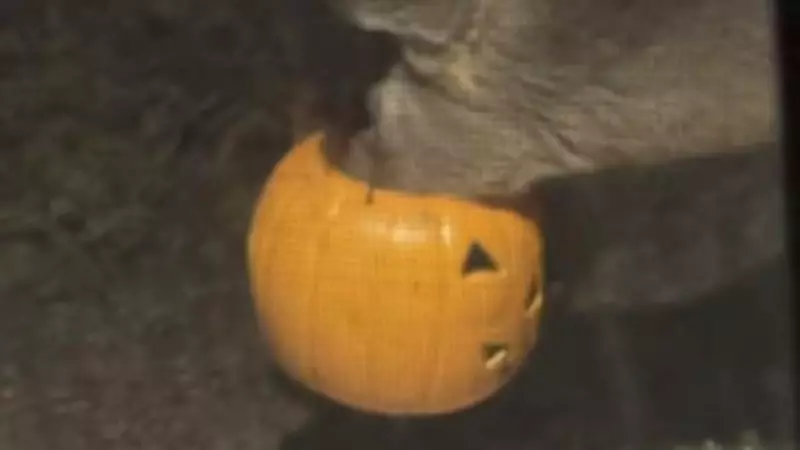
Neighbors in the Squirrel Hill area of Pittsburgh, Pennsylvania, have expressed deep concern after witnessing a deer with a plastic Halloween bucket firmly lodged on its head. The incident, reported in early March 2026, highlights ongoing challenges with wildlife interactions in urban settings, where discarded items can pose serious risks to animals.
Community Response and Safety Concerns
Local residents alerted authorities and shared observations, noting the deer appeared disoriented and struggled to navigate while the bucket obstructed its vision and breathing. This situation underscores the importance of proper waste disposal, especially after holidays like Halloween, when decorations and containers may be left outdoors. Wildlife experts emphasize that such objects can lead to injury, starvation, or even death for animals if not removed promptly.
Urban deer populations are increasingly common in cities like Pittsburgh, adapting to human environments but facing hazards from litter and human activities. The bucket incident serves as a stark reminder for communities to secure trash and recyclables to prevent similar occurrences. Efforts to rescue the deer are underway, with animal control teams monitoring the area and attempting safe capture methods.

Broader Implications for Wildlife Conservation
This event ties into larger discussions about urban ecology and wildlife management. As cities expand, encounters between humans and animals become more frequent, necessitating proactive measures. Public awareness campaigns can educate residents on reducing risks, such as using wildlife-friendly containers and reporting stranded animals quickly. In Squirrel Hill, the community's vigilance has sparked conversations about enhancing local conservation initiatives to protect both deer and other species.
Ultimately, the trapped deer symbolizes a call to action for better environmental stewardship. By addressing litter issues and supporting rescue operations, neighborhoods can foster safer habitats for wildlife, ensuring such distressing scenes become less common in the future.