Ancient Records Reveal 1826 Red River Flood That Dwarfs Modern Disasters
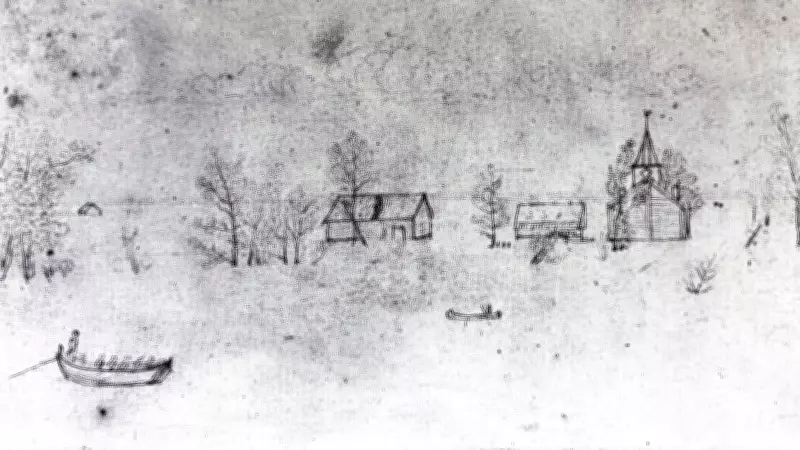
Recently uncovered historical documents, dating back two centuries, have shed new light on a catastrophic flood event along the Red River in 1826 that far exceeds any flooding witnessed in the region in modern times. These records, including a detailed drawing by artist Peter Rindisbacher, depict floodwaters stretching as far as the eye could see, illustrating the immense scale of the disaster.
Devastation That Reshaped a Settlement
The 1826 Red River flood was so severe that it led to the exodus of approximately 250 residents from the Red River Settlement, a key early community in what is now Manitoba. Rindisbacher, who was among those who fled, captured the scene in his artwork, which shows vast expanses of water submerging the landscape. This visual record, preserved in the Archives of Manitoba, provides a stark contrast to contemporary flood events, highlighting the flood's unprecedented nature.
Historical accounts describe widespread destruction of homes, farms, and infrastructure, forcing settlers to abandon their livelihoods and seek refuge elsewhere. The flood's impact was so profound that it significantly altered the settlement's development and left a lasting mark on local oral histories and environmental memory.

Insights from 200-Year-Old Documentation
The discovery of these 200-year-old records offers valuable insights into past climate patterns and hydrological extremes in the Red River Valley. Researchers emphasize that understanding such historical events is crucial for contextualizing current flood risks and improving predictive models. By analyzing these documents, scientists can better assess how climate variability and human activities have influenced flood frequencies and intensities over centuries.
Comparisons with modern flood data reveal that the 1826 event likely involved higher water levels and more extensive inundation than any flood recorded since instrumental measurements began. This challenges assumptions about the severity of recent floods and underscores the importance of long-term historical perspectives in environmental science.
Relevance to Contemporary Climate Concerns
This revelation comes at a time when communities along the Red River and other waterways face increasing threats from climate change, including more frequent and intense flooding. The 1826 flood serves as a reminder of the region's vulnerability to extreme hydrological events and the need for robust adaptation strategies. Policymakers and urban planners can draw lessons from this historical disaster to enhance flood mitigation efforts, such as improving infrastructure, land-use planning, and emergency preparedness.
Moreover, the story of the Red River Settlement's resilience in the face of such devastation highlights the human dimension of environmental crises. It underscores how communities have historically adapted to and recovered from natural disasters, offering inspiration for modern approaches to climate resilience and sustainable development.
In summary, the unearthing of these ancient records not only enriches our understanding of Manitoba's environmental history but also provides critical data for addressing today's climate challenges. As researchers continue to study these documents, they hope to uncover more details about the 1826 flood and its implications for future flood risk management in the region.