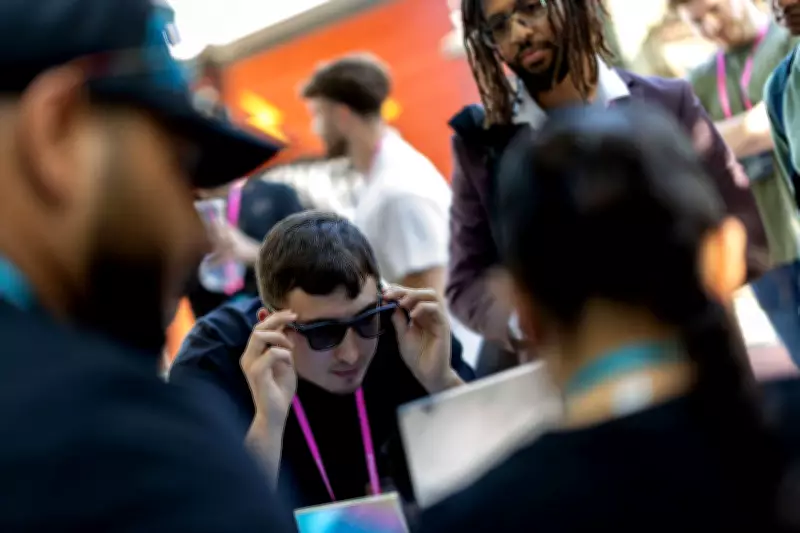
In Winnipeg, a growing wave of privacy concerns is emerging over Meta's latest innovation: AI-powered smart glasses. These high-tech devices, designed to integrate augmented reality and artificial intelligence into everyday wear, have sparked intense debate among residents and experts alike regarding their potential impact on personal privacy and legal boundaries.
Privacy Implications Under Scrutiny
Tech expert Ritesh Kotak recently discussed the significant privacy risks associated with Meta's smart glasses during a local interview. He emphasized that these glasses, equipped with advanced cameras, microphones, and AI capabilities, could enable continuous data collection without users' explicit consent. This raises alarms about unauthorized surveillance, data breaches, and the potential for misuse in public and private spaces.
Legal Challenges and Regulatory Gaps
Kotak pointed out that current laws may not adequately address the novel legal challenges posed by such technology. Issues like consent for recording, data ownership, and compliance with privacy regulations like PIPEDA in Canada are at the forefront. There is a pressing need for updated legislation to govern the use of AI wearables and protect individuals from invasive practices.

Public Reaction and Expert Warnings
Winnipeg citizens have voiced fears that these glasses could lead to a loss of anonymity in daily life, with some calling for stricter controls or outright bans. Experts warn that without proper safeguards, the technology might facilitate stalking, corporate espionage, or government overreach, undermining fundamental rights to privacy.
The Broader Tech Landscape
This controversy reflects a larger trend in the tech industry, where rapid advancements in AI and wearable devices often outpace ethical and legal frameworks. As companies like Meta push forward with such products, it highlights the urgent need for public discourse and proactive policy-making to balance innovation with individual protections.
As the debate continues, stakeholders in Winnipeg and beyond are urging for transparent guidelines and robust security measures to ensure that the benefits of AI smart glasses do not come at the cost of personal privacy and legal integrity.