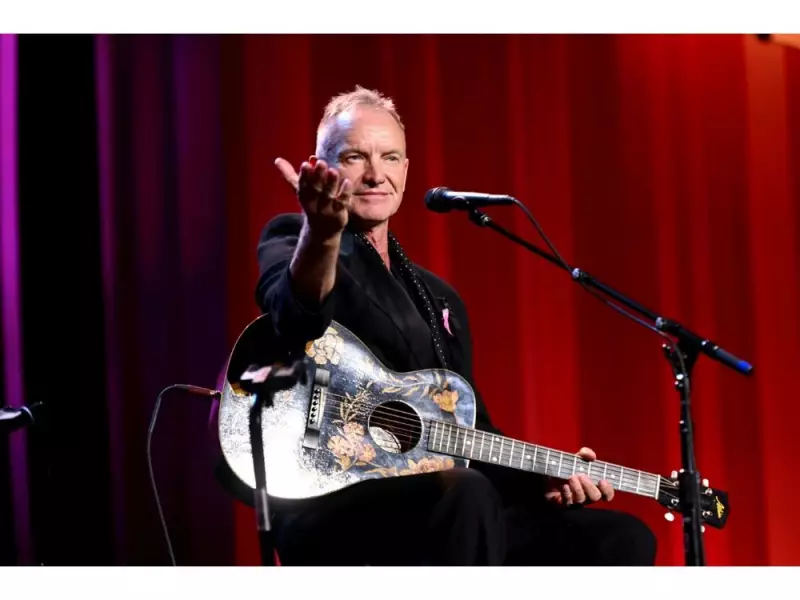
Legendary musician Sting is facing a high-stakes legal battle in London, as his former bandmates from the iconic group The Police sue him for what they claim is more than two million U.S. dollars in unpaid streaming royalties. The lawsuit, which began preliminary hearings at London's High Court, pits guitarist Andy Summers and drummer Stewart Copeland against the band's frontman and bassist.
The Core of the Royalty Dispute
The legal conflict centers on how revenue from modern streaming platforms like Spotify, Deezer, and Apple Music should be classified and divided. According to court documents, Summers and Copeland argue they are entitled to a share of all streaming income under the terms of a nearly 50-year-old verbal agreement made in 1977. This original pact stipulated that each member would receive 15 percent of royalties generated by the other members' compositions.
While this agreement was later formalized in writing in 1981 and reaffirmed in 2016 to settle financial disputes, the plaintiffs contend the term "streaming" was never explicitly mentioned. They assert that streaming revenue should be treated as both "mechanical" royalties (for reproduction) and "performance" royalties (for broadcast), with their share applying to the total. The 2016 agreement, however, only includes mechanical royalties, a point Sting's representatives are using in their defense.

A Legacy of Hits and Strained Relations
The Police, who released five influential albums between 1978 and 1983, are responsible for a catalog of global hits—all composed by Sting. Songs like "Roxanne" and "Message in a Bottle" have ensured the singer-songwriter receives the lion's share of the group's royalties. The original agreements did, however, acknowledge the significant contributions of Summers and Copeland, such as the famous guitar arpeggios on "Every Breath You Take."
The relationship between the band members has been famously strained for years, and the 2016 agreement was intended to put all financial disagreements to rest. Neither Sting (born Gordon Sumner) nor his former bandmates were present in court for the start of the two-day preliminary hearing.
Legal Arguments and a Valuable Catalog
Representatives for Sting have labeled the lawsuit an "illegitimate" attempt to reinterpret the existing agreements. They argue that some payments already made might even constitute an overpayment to Summers and Copeland. This case highlights the complex challenges older contractual agreements face in the digital age, where revenue streams like streaming did not exist when the original terms were drafted.
The outcome of this case could set a significant precedent for how legacy artists and bands handle royalties from modern music consumption methods. It comes just a few years after Sting sold his entire music catalog to Universal Music Group in 2022 for a reported $250 million, a deal that is separate from but contextualizes the high value of the royalties now in dispute.