U.S. and Israel Launch Coordinated Military Strikes Against Iran, Supreme Leader Khamenei Reported Killed
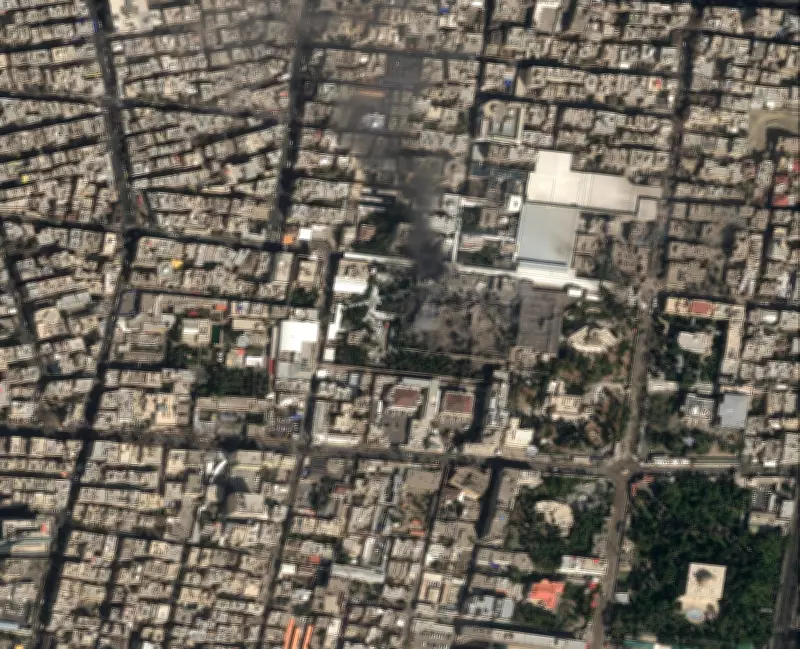
In a dramatic escalation of Middle East tensions, United States and Israeli forces have conducted joint military strikes against Iran, resulting in the reported death of Iran's Supreme Leader Ayatollah Ali Khamenei, according to Israeli officials. The attacks occurred on February 28, 2026, marking a significant turning point in regional geopolitics.
Major Combat Operations Announced
Former U.S. President Donald Trump announced what he described as "major combat operations in Iran" following the coordinated assault. In his statement, Trump declared that "Iran is the principal source of instability and terror throughout the Middle East," justifying the military action as necessary for regional security.
Israeli Prime Minister Benjamin Netanyahu issued a comprehensive statement detailing the operation's objectives and outcomes, though specific tactical details remain classified. Military analysts note this represents a significant escalation beyond previous engagements between these nations.

International Reactions and Regional Fallout
The attack has triggered immediate international responses and practical consequences across the region:
- Flight disruptions across the Middle East and beyond as airlines reroute or cancel services
- Oil price volatility with analysts predicting supply uncertainty in coming weeks
- Enhanced security measures in Canadian cities including increased police patrols around places of worship
- Limited Canadian military involvement anticipated according to retired generals
Prime Minister Carney's administration has expressed support for the operation, described by political analysts as a "pretty explicit expression of support" for the U.S.-Israel action.
Strategic Differences in Targeting
Military experts highlight significant differences between this operation and previous engagements. David Fraser, a defense analyst, noted "It's a vast difference in the targeting than in the past," suggesting more precise and strategic objectives were pursued in these strikes.
Critics of the operation, including commentator Ham, have characterized it as "a war of choice" rather than necessity, raising questions about the long-term implications for Middle East stability.
Broader Implications and Security Concerns
The attack occurs against a backdrop of ongoing international tensions, including:
- Continued scrutiny of foreign interference concerns involving multiple nations
- Heightened cybersecurity and artificial intelligence safety debates
- Persistent questions about India-Canada security relations
- Ongoing discussions about appropriate responses to state-sponsored threats
As the situation develops, governments worldwide are assessing the implications for international security, energy markets, and diplomatic relations in one of the world's most volatile regions.