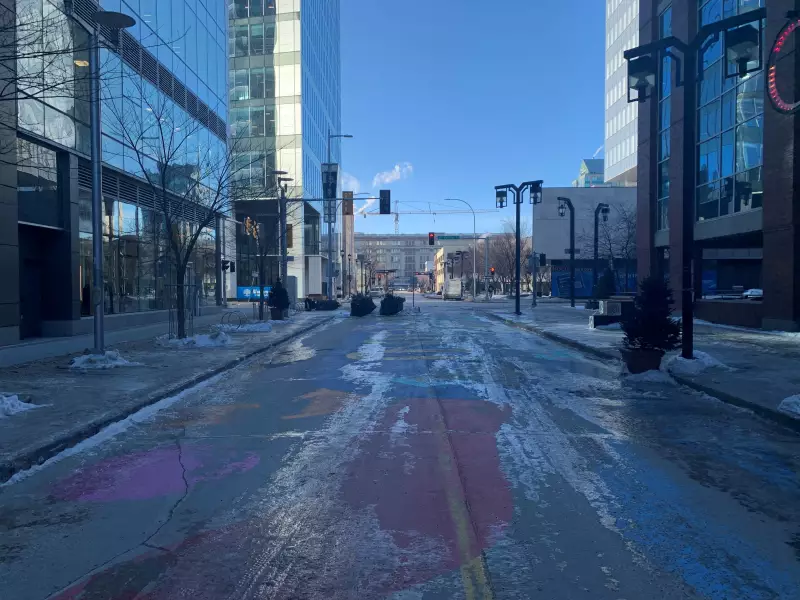
The City of Winnipeg has taken a significant step toward a more sustainable energy future for its urban core. Municipal officials have formally issued a Request for Proposals (RFP) seeking a consultant to develop a comprehensive master plan for a district thermal heating system in the downtown area.
A Blueprint for Sustainable Energy
This initiative aims to create a detailed roadmap for implementing a centralized heating network. Such a system would distribute heat generated from a central plant or renewable source through underground pipes to multiple buildings, potentially including offices, residential towers, and public facilities. The move is seen as a critical piece of infrastructure planning that could reduce greenhouse gas emissions, improve energy efficiency, and provide long-term cost stability for building owners.
The RFP process, announced on January 14, 2026, invites qualified firms to submit their proposals to design the plan. The selected consultant will be tasked with analyzing technical feasibility, identifying potential energy sources, mapping out infrastructure requirements, and developing a financial and implementation strategy. The focus is squarely on creating a practical and actionable framework for the city.

Context and Potential Impact
District energy systems are not a new concept globally, but their adoption represents a forward-thinking approach to urban development for Winnipeg. A successful system could leverage various heat sources, which might include renewable options or waste heat recovery from industrial processes or sewage treatment. This aligns with broader municipal and provincial goals of reducing reliance on fossil fuels and building climate-resilient infrastructure.
The development of this master plan comes at a time when cities across Canada are actively exploring ways to decarbonize their building sectors, which are major contributors to carbon emissions. A downtown thermal grid could position Winnipeg as a leader in practical, large-scale sustainable infrastructure within the Prairie region.
The Path Forward
The issuance of the RFP is just the first phase in what will be a multi-year project. Once a consultant is selected and the master plan is developed, it will require approval from city council. Subsequent phases would involve detailed engineering, securing funding and partnerships, and the actual construction of the distribution network and energy centre.
This project underscores a shift in how cities manage energy. Instead of each building operating its own furnace or boiler, a district system allows for centralized, often more efficient, generation of heat. Proponents argue it can lead to lower overall emissions, reduced maintenance costs for connected buildings, and protection from volatile fossil fuel prices. The City of Winnipeg's call for proposals marks a formal commitment to exploring this innovative path for its downtown's future.