The International Space Station (ISS) is preparing for a significant reduction in its onboard crew. Four astronauts are scheduled to depart the orbiting laboratory, which will leave just three crewmates to staff the massive complex.
Crew Portrait Captures Final Full Gathering
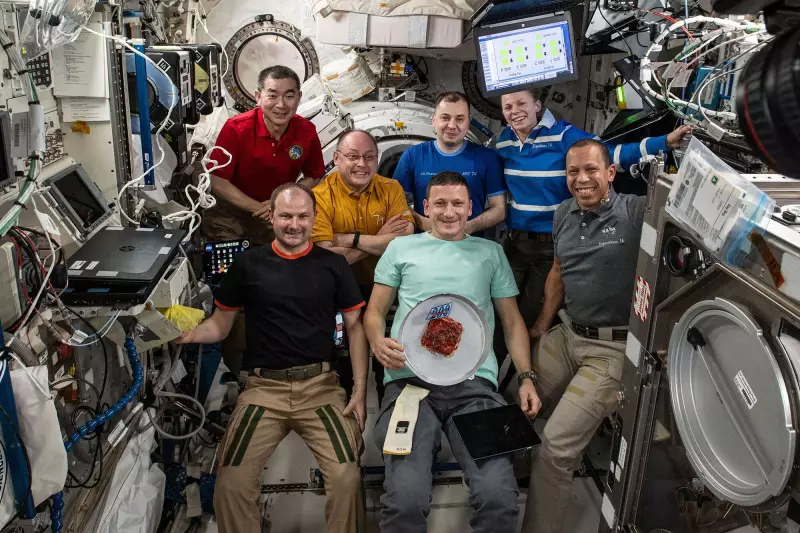
The seven-member Expedition 74 crew gathered for a final group portrait in December inside the station's Kibo laboratory module. This image, released by NASA via CNN Newsource, captured the full team before the impending departure. The crew change marks a transitional phase for the station's operations.
Reduced Staffing for Orbiting Operations
With the departure of four crew members, the ISS will be staffed by a skeleton crew of only three astronauts. This reduced complement will be responsible for maintaining all critical systems and continuing essential scientific research aboard the orbiting lab. Such periods of lower crew capacity are carefully planned but place greater responsibility on the remaining personnel.

The departure is set for January 14, 2026, as reported. Managing the station with a smaller team requires meticulous planning from ground controllers at NASA and its international partner agencies to ensure safety and mission continuity.
Implications for Space Station Research
While the core operation of the ISS will continue, a smaller crew can impact the volume of scientific research conducted. The three remaining crew members will need to prioritize essential maintenance and a subset of ongoing experiments. This crew rotation is a standard part of the station's lifecycle, ensuring fresh personnel and the return of completed experiments to Earth.
The event underscores the continuous cycle of crew rotations that define the ISS program, a testament to the long-term international collaboration in space. The departure will set the stage for the arrival of a new crew to restore the station's full complement in the future.