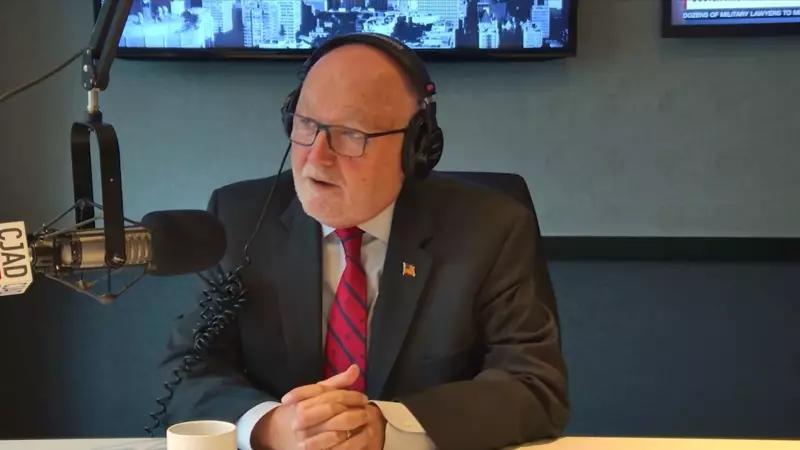
In a candid radio interview that has sparked discussion across the border, the United States Ambassador to Canada, Pete Hoekstra, made a striking declaration about the nature of the bilateral relationship. The ambassador's comments, which included the phrase 'We do not need Canada', were delivered during a conversation on Montreal's CJAD 800 Radio on Wednesday, January 14, 2026.
Context of the Ambassador's Remarks
The interview provided a platform for Ambassador Hoekstra to address the current state of affairs between the two North American neighbors. While the full context of the discussion is key, the selected quote presents a pointed perspective on American self-sufficiency. The ambassador's appearance was part of ongoing diplomatic engagements, though the directness of the language has drawn particular attention from analysts and the public.
It is important to note that such statements often exist within a broader framework of complex negotiations and policy discussions covering trade, security, and environmental cooperation. The remark likely reflects a specific negotiating position or a response to a particular issue, rather than a wholesale dismissal of the partnership.

Analyzing the Diplomatic Language
Diplomatic communications are frequently layered with meaning. A phrase like 'We do not need Canada' can be interpreted as a rhetorical device to emphasize American economic or strategic independence, possibly in the context of ongoing talks. Experts in Canada-U.S. relations often stress that the relationship is deeply interdependent, with integrated supply chains, shared defense via NORAD, and millions of jobs reliant on cross-border trade.
The interview took place against the backdrop of other significant national news, including the resignation of Quebec Premier François Legault and a major snowstorm forecast for Toronto. However, the ambassador's comments carve out a distinct space in the day's political discourse, inviting scrutiny of the tone and direction of high-level dialogue between the two countries.
Potential Repercussions and Next Steps
While provocative, isolated quotes from diplomatic figures do not necessarily signal a fundamental shift in policy. The reaction from Canadian officials and the foreign affairs community will be telling. Historically, the Canada-U.S. relationship has weathered periods of blunt rhetoric, relying on deep institutional and people-to-people ties to maintain stability.
The coming days may see clarifications or further elaborations from the U.S. Embassy or the Canadian government. The key will be to watch the subsequent actions and official communications. The January 14, 2026 interview will undoubtedly be referenced in future analyses of this chapter in bilateral relations, serving as a marker of the challenges and frank exchanges that characterize even the closest of alliances.