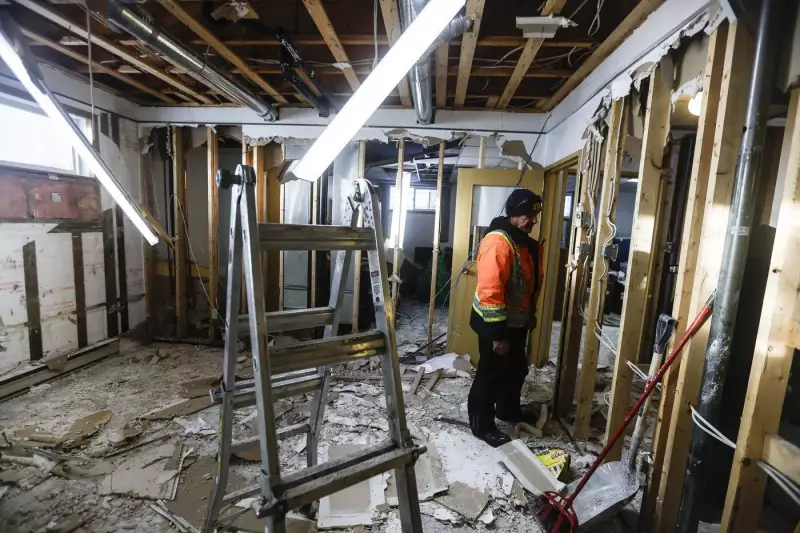
Provincial and federal politicians have conducted a firsthand assessment of the significant damage caused by a power outage and subsequent frozen pipes on a Manitoba First Nation. The visit underscores the severity of the ongoing crisis as the community grapples with a lack of running water.
Immediate Response and Assessment
The delegation, which included officials from both levels of government, toured the affected area to witness the direct impact of the infrastructure failure. The incident, which occurred recently, left residents without a reliable water supply as temperatures plunged, causing pipes to freeze solid.
In response to the escalating situation, authorities are mobilizing additional resources. More workers and portable heaters are being dispatched to the community in an effort to mitigate the damage and restore essential services. The focus is on thawing frozen pipes and preventing further system failures.

Root of the Crisis: Power Failure
The core of the problem stems from a significant power outage that hit the First Nation. Without electricity to maintain heat and water flow in critical infrastructure, the plumbing systems were vulnerable to the harsh winter conditions. This cascade effect highlights the fragility of essential services in some remote and Indigenous communities.
The situation has created an urgent public health and safety concern, with residents forced to rely on alternative sources for water for drinking, cooking, and sanitation.
Ongoing Efforts and Community Impact
While the arrival of extra personnel and equipment is a critical step, restoring full water service is expected to be a complex and time-sensitive operation. Crews will need to locate and safely thaw frozen sections of pipe, a process that can be lengthy and challenging in cold weather.
The crisis has drawn renewed attention to the chronic issues of infrastructure underfunding and housing shortages faced by many First Nations across Canada. The immediate goal is to resolve the water emergency, but the event is likely to fuel longer-term discussions about sustainable solutions and investment in community resilience.
The provincial and federal visit, which took place on January 08, 2026, signifies the political priority being placed on the emergency. Continued coordination between community leadership, Indigenous Services Canada, and the Manitoba government will be essential in the days ahead.