Judge Deliberates Fate of BBQ Rebel Adam Skelly After Landmark Charter Challenge
The protracted legal battle of restaurateur Adam Skelly, who became a symbol of defiance during the COVID-19 pandemic, is now in the hands of a judge following three days of intense courtroom arguments. On Friday, Judge Janet Leiper concluded closing arguments in a downtown Toronto courtroom, indicating she requires additional time to evaluate the complex and highly technical legal issues at stake.
The Barbecue Rebellion and Its Aftermath
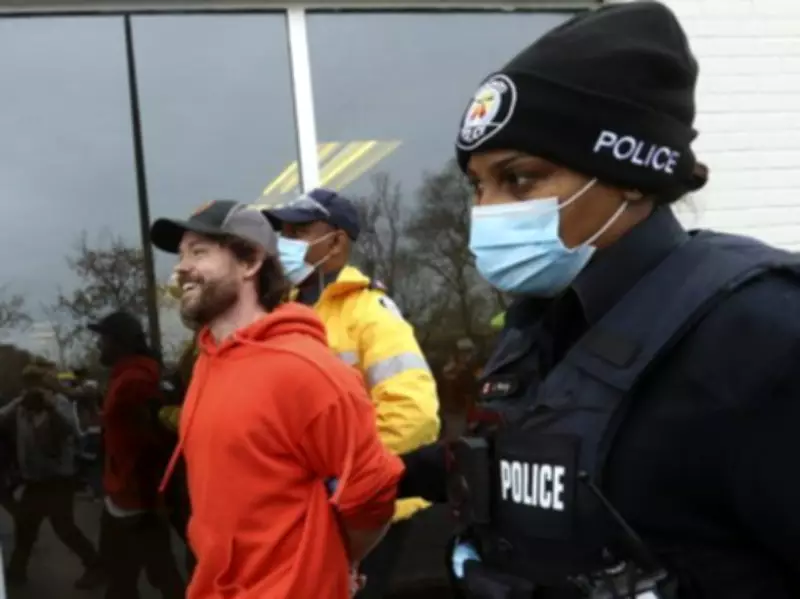
At the heart of this case is the so-called Barbecue Rebellion of November 2020, when Skelly, owner of Adamson Barbecue in Etobicoke, openly flouted public health restrictions by serving meals indoors during a lockdown. In response, Toronto Police intervened, changing the locks on his establishment. When Skelly forcibly re-entered his own property, he was arrested and detained for over 30 hours, according to his lawyer, Ian Perry.
Perry has leveled a series of allegations against municipal and provincial authorities, claiming multiple breaches of Skelly's rights under the Charter of Rights and Freedoms. The City of Toronto is concurrently seeking $187,000 in policing costs from Skelly, a sum that may hinge on the outcome of this charter challenge, alongside pending criminal matters.

Charter Rights and Government Overreach
Central to Skelly's defense is Section 1 of the Charter, which permits reasonable limits on individual rights. Perry argued vigorously that the Crown failed to demonstrate that the restrictions imposed on Skelly were proportionate or justified. He pointed to provincial data indicating that the restaurant and bar sector accounted for a mere 0.05% of COVID-19 cases in the pandemic's initial year, with no confirmed cases linked to Adamson Barbecue.
"Your charter rights don't depend on your postal code," Perry asserted, criticizing the patchwork of lockdown measures that allowed restaurants in some Ontario regions to operate while shuttering those in Toronto and Peel Region. He dismissed the Crown's contention that Skelly's actions did not constitute a protest, stating, "Compliance does not denote an expression, but peaceful defiance certainly does. The disagreement was palpable at the time."
Unprecedented Measures and Legal Precedents
During proceedings, the City of Toronto's lawyer, Penelope Ma, defended the unprecedented use of trespass laws to lock Skelly out of his restaurant, arguing that the extraordinary circumstances of the pandemic warranted such actions. "Respectfully, a lot of things were unprecedented at that time," Ma noted, "and unprecedented doesn't mean unlawful."
Judge Leiper, however, questioned whether less restrictive alternatives were considered, probing the limits of municipal authority. The legal debate also delved into esoteric areas such as the definition of seizure and the authority of Toronto's medical officer of health, Dr. Eileen De Villa, who did not attend the hearings.
References to Recent Supreme Court Ruling
Both sides frequently cited the recent Supreme Court of Canada case Taylor vs. Newfoundland and Labrador, decided on February 13. This case involved Kimberley Taylor, who was denied entry to Newfoundland for her mother's funeral in May 2020 due to pandemic restrictions. The Supreme Court acknowledged an infringement of her mobility rights but deemed it reasonable under Section 1 of the Charter, setting a potential precedent for Skelly's situation.
As the courtroom discussions unfolded in a subdued atmosphere, they contrasted sharply with the chaotic scenes at Skelly's restaurant in 2020, though supporters filled the gallery, echoing the earlier show of solidarity. Judge Leiper has not provided a timeline for her decision, leaving the fate of this high-profile charter challenge hanging in the balance.