In a direct response to a longstanding public health challenge, members of the Canadian Armed Forces have been deployed to Pimicikamak Cree Nation in northern Manitoba. The military's arrival marks a significant step in addressing the community's critical and ongoing water security issues.
A Community in Need of Support
The deployment, which was confirmed on January 12, 2026, sees Canadian military personnel working alongside local leaders and residents. The community, also known as Cross Lake, has grappled with water advisories and infrastructure challenges for years, a situation that underscores the broader crisis of clean drinking water in many Indigenous communities across Canada.
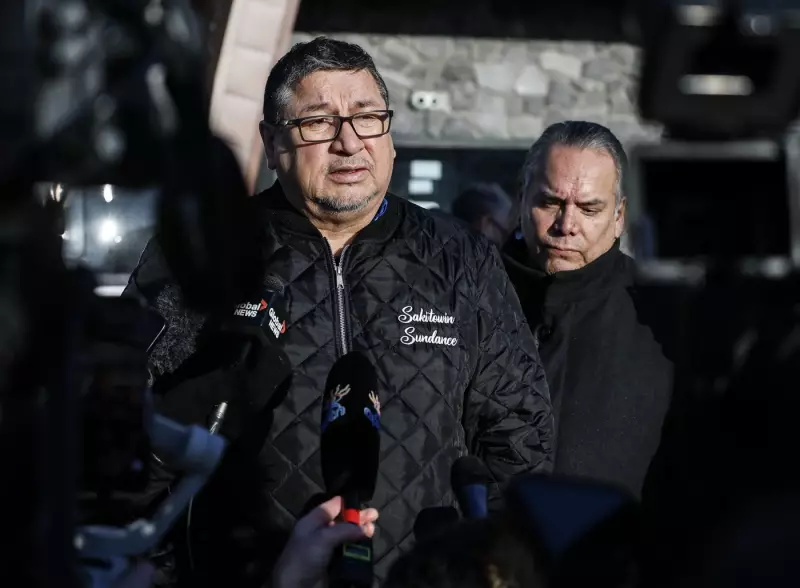
Chief David Monias of Pimicikamak Cree Nation has been a vocal advocate for his community, highlighting the urgent need for reliable, safe water. He was recently seen alongside Manitoba Keewatinowi Okimakanak Inc. (MKO) Grand Chief Garrison Settee during a media tour of the community on Wednesday, January 7, 2026. This event brought politicians and journalists to the First Nation to witness the conditions firsthand.

Military Role in a Domestic Crisis
The specific tasks for the Armed Forces members likely involve technical support, logistics, and potentially the distribution of safe water. Such domestic operations, often termed Operation LENTUS, are a core part of the military's mandate to provide aid to civil authorities during emergencies. This includes natural disasters and, as in this case, critical public welfare situations.
While the exact number of personnel and the duration of their mission have not been detailed in the initial report, their presence signifies a coordinated effort between federal, provincial, and First Nations leadership. The involvement of the military is typically a measure of last resort when local and provincial resources are overwhelmed or lack specific capabilities.
The Broader Context of Water Security
This deployment brings renewed attention to the federal government's commitment to ending all long-term drinking water advisories in First Nations communities. Despite progress, some communities, like Pimicikamak, continue to face complex hurdles related to infrastructure age, funding, and geography.
The situation in northern Manitoba is particularly challenging due to its remote location and harsh climate, which can complicate construction and maintenance of water treatment facilities. The military's engineering and logistical expertise can be crucial in such environments.
The arrival of the Canadian Armed Forces in Pimicikamak Cree Nation is a stark reminder of the work that remains to ensure all Canadians have access to a fundamental human right: clean water. It represents both an immediate crisis response and a symbol of the persistent inequalities in infrastructure between Indigenous and non-Indigenous communities. The nation will be watching as this collaboration unfolds, hoping for a sustainable solution for the people of Cross Lake.