Residents of British Columbia's South Coast experienced a notably mild and damp end to 2025, according to data from Environment Canada. The federal weather agency confirmed that the month of December was both warmer and wetter than seasonal averages for the region.
A Departure from Seasonal Norms
The climatic data for December 2025 paints a clear picture of an abnormal weather pattern. While specific temperature and precipitation deviation figures were not detailed in the initial report, the trend was significant enough for meteorologists to officially classify the month as above average for both metrics. This pattern contributed to a heightened risk of coastal flooding in low-lying areas.
Visible Impacts and Warnings
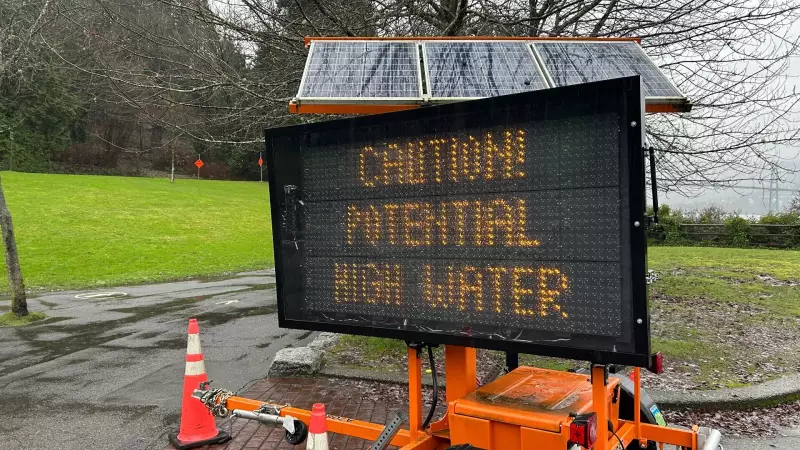
The tangible effects of the persistent wet weather were felt on the ground. On Saturday, January 3, 2026, a visible sign warning of potential coastal flooding was posted in Vancouver's iconic Stanley Park, underscoring the ongoing concerns for public safety and infrastructure. The advisory served as a direct consequence of the sustained rainfall and unusual conditions experienced throughout the preceding month.

Environment Canada's analysis points to a broader pattern of atypical weather for the South Coast, which includes major population centres like Vancouver and communities across Vancouver Island. Such deviations from historical norms are critical for urban planning, emergency preparedness, and understanding long-term climate trends in the region.
Context and Looking Ahead
While a single warm, wet month does not alone define climate change, it aligns with broader projections for increased precipitation and milder winters in coastal British Columbia. These events put a spotlight on community resilience and the importance of monitoring evolving weather patterns. The flood warning issued in early January acts as a immediate reminder of the practical impacts these climatic shifts can have on daily life and municipal resources.
As 2026 begins, the data from December 2025 provides a valuable benchmark. It will help climatologists and local officials gauge whether this was an isolated anomaly or part of a continuing trend toward warmer, wetter winters on Canada's Pacific coast.