The Insurance Bureau of Canada (IBC) revealed on Friday that severe rainstorms and flooding across British Columbia in December 2025 caused an estimated $90 million in insured damage. The costly event serves as a stark warning that significantly more funding must be directed towards climate adaptation and flood protection infrastructure.
Atmospheric Rivers Trigger Widespread Disruption
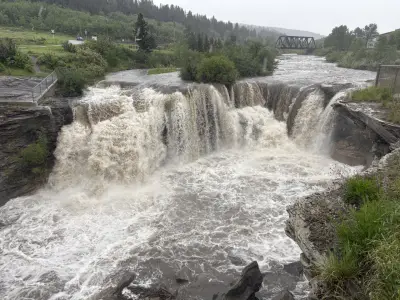
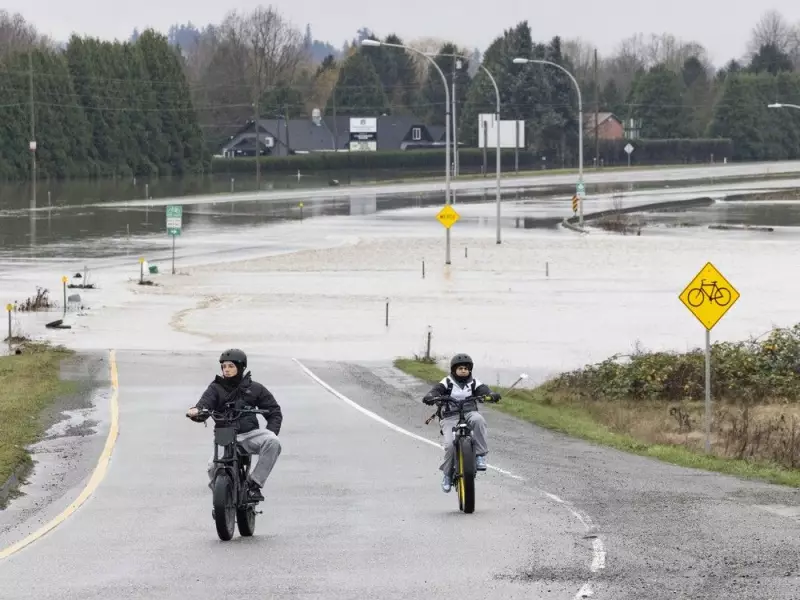
The disaster was driven by record-breaking precipitation from atmospheric rivers, massive plumes of tropical moisture that swept across the Pacific Ocean. These intense storms forced the evacuation of hundreds of properties, inflicted damage on homes and agricultural land, and led to the closure of critical highways throughout southwestern B.C. and Vancouver Island.
Aaron Sutherland, Vice-President of the Pacific and Western region for the Insurance Bureau of Canada, emphasized the recurring nature of the threat. "Severe weather and flooding has once again disrupted the lives of residents and business owners," said Sutherland. "Coming just four years after the devastating 2021 floods, this most recent flood damage is a painful reminder of the need to build B.C.’s resilience and better protect communities from the new weather reality we face."

Calls for Action on B.C.'s Flood Strategy
In the wake of the catastrophic and deadly 2021 floods, which resulted in $675 million in insured losses, the province developed a comprehensive flood strategy. This plan outlined measures designed to better safeguard families, businesses, and communities. However, the IBC warns that this strategy remains critically underfunded.
The bureau, which represents Canada's home, auto, and business insurers, is now calling on the B.C. government to make funding for this strategy a top priority. They advocate for targeted investments in several key areas:
- Advanced flood-risk mapping
- Protective infrastructure, such as dikes and drainage systems
- Financial incentives to help households and businesses flood-proof their properties
"Investing in community resilience and damage prevention is always more cost-effective than paying to rebuild year after year following every disaster," Sutherland argued. He noted that proper mitigation could also expand access to private flood insurance for homeowners, which offers more robust support than government disaster assistance.
A Growing Trend of Climate-Related Costs
The $90 million damage estimate for the December floods was compiled by Catastrophe Indices and Quantification Inc. (CatIQ), a leading source of disaster analytics. While lower than the 2021 event, this figure contributes to a clear and concerning two-decade trend of rising insured damages from natural disasters in Canada.
Experts stress that insured losses represent only a portion of the total economic impact. Uninsured costs, infrastructure repairs, agricultural losses, and business interruptions can push the final price tag into the billions. The recurrence of major flooding has raised public concern about the pace of progress on risk reduction, with reports indicating that tangible protections for homes, businesses, and infrastructure have been slow to materialize since 2021.
The Insurance Bureau of Canada's report underscores a pressing message: as climate change is expected to increase the frequency and severity of atmospheric rivers and other extreme weather, the financial and human cost of inaction on climate resilience will continue to escalate.