The twin crises of a severe winter and a collapsing healthcare system have converged upon Edmonton, exposing a chronic failure of planning and investment that has been decades in the making. While residents dig out from relentless snow, patients face agonizing waits in emergency departments, a situation one columnist describes as a long-forecasted disaster born from harmful reorganizations and political distractions.
A System Pushed Beyond Its Limits
The immediate crunch in Edmonton's emergency rooms and ambulance services is not sudden. Analysts point to Alberta's rapid population growth as a key exacerbating factor, but the core of the problem runs much deeper. The crisis is the direct result of years, and arguably decades, of governmental neglect toward the capital region's healthcare infrastructure.
The last major hospital built in Edmonton was completed nearly 40 years ago, a period during which the city's population has more than doubled. This fundamental disparity between supply and demand has created a fragile system that buckles under predictable seasonal pressures, such as winter and flu season.

A personal anecdote underscores the human cost: a local resident, while shovelling snow, suffered a back injury severe enough to require a hospital visit. Avoiding a cardiac event—a real risk during strenuous shovelling—he was fortunate to have a drive to the ER, where he then faced a six-hour wait for treatment. His story is emblematic of thousands.
Winter Arrives, Preparedness Did Not
Drawing a parallel to the fable of the ant and the grasshopper, commentary suggests the province has wasted critical time on divisive culture wars and damaging health system reorganizations instead of shoring up essential services for the inevitable winter surge. The warnings were clear from past flu seasons and the demographic wave of an aging baby boomer generation, now largely in their 70s.
The provincial government has responded with a series of pilot projects and operational manoeuvres aimed at improving patient flow. These include efforts to recruit more staff, open more beds, utilize virtual care, divert non-critical patients from hospitals, and better distribute workload across the system.
While these measures are acknowledged as better than inaction, critics argue they are largely variations on standard crisis responses—"more or less the normal course of business when the system gets jammed up." They are not the innovative, systemic solutions needed to permanently address the core imbalance.
The Long-Awaited Fix: Real Investment
The consensus among frontline physicians and analysts is that the major fix has been avoided for too long: substantial, long-term investment in healthcare workforce and infrastructure that matches Edmonton's current and future needs. The call is for capacity that reflects the modern reality of the city, not the reality of four decades past.
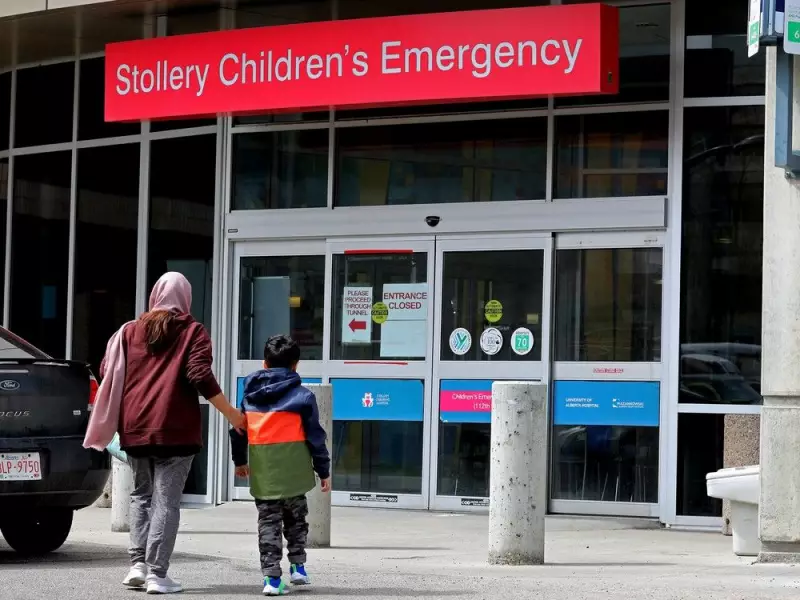
A glimmer of progress on this front came just before Christmas, when the Alberta government announced it had selected a site for a new, standalone Stollery Children's Hospital on the University of Alberta's south campus. This project represents the kind of foundational investment needed, though it is just one piece of a much larger puzzle.
For now, patients in Edmonton continue to bear the burden of a system in perpetual crisis management. The decline of influenza in the coming months may offer slight relief, but without a committed strategy to build lasting capacity, the cycle of winter crises is set to repeat. The time for half-measures and false promises, as the current emergency starkly illustrates, has long passed.