A groundbreaking partnership between the Windsor Police Service and Windsor Regional Hospital has yielded significant results, successfully diverting more than 600 people from the hospital's emergency department in 2025. The initiative, which involves a specialized team, aims to connect individuals in crisis with more appropriate community resources, thereby alleviating strain on the critical emergency care system.
How the Diversion Program Operates
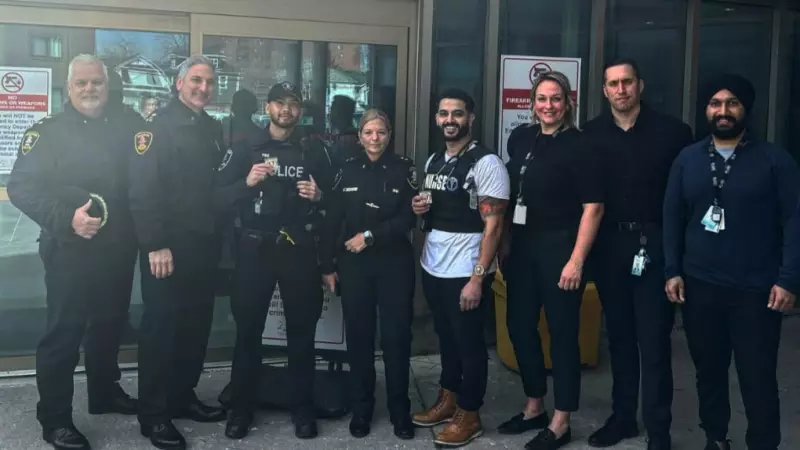
The collaborative effort places police officers and hospital officials together in a team that responds to situations where individuals may not require immediate emergency medical care but are in need of support. This often involves cases related to mental health, addiction, or social crises. Instead of these individuals entering the crowded ER, the team works to directly connect them with community-based services and follow-up care. The program focuses on providing the right help at the right time, ensuring emergency services are reserved for acute medical emergencies.
Impact on Healthcare and Community Safety
Diverting over 600 cases in a single year represents a substantial reduction in non-urgent visits to the Windsor Regional Hospital Emergency Department. This helps to shorten wait times for patients with true medical emergencies and allows hospital staff to focus their expertise where it is most needed. For the individuals diverted, the model offers a more tailored and often less traumatic pathway to receive support, whether for counseling, housing assistance, or addiction services. The program also fosters a stronger, more integrated relationship between law enforcement and healthcare providers, promoting a holistic approach to community well-being.

A Model for Future Collaboration
The success of the Windsor initiative highlights a growing trend across Canada where police and healthcare systems are joining forces to address complex social issues that often manifest in public spaces and emergency rooms. By preventing unnecessary ER visits, the program also carries potential long-term cost savings for the healthcare system. Officials from both the police service and the hospital have publicly championed the program's results, suggesting it could serve as a model for other municipalities grappling with similar pressures on their emergency healthcare infrastructure. The continued operation and potential expansion of this team will be closely watched as a proactive solution to systemic challenges.