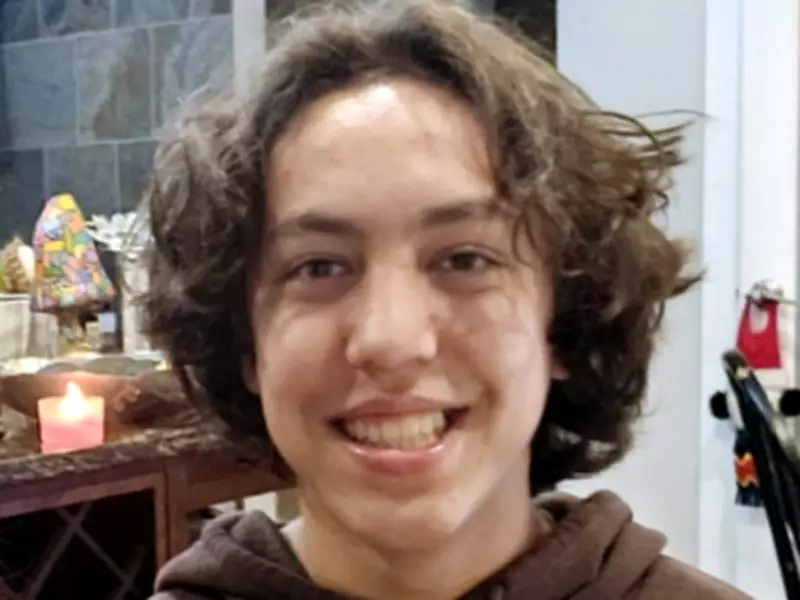
Ty Sperle, an 18-year-old student from British Columbia, has become the first person in the world to be cured of chronic granulomatous disease through an innovative gene editing treatment, describing the experience as surreal and transformative. "It is really crazy to think about," Sperle remarked. "We're definitely at a turning point in medicine." This groundbreaking achievement, detailed in a recent paper published in the New England Journal of Medicine, represents a significant advancement in medical science and offers hope for patients with rare genetic conditions.
A Life Transformed by Medical Innovation
For Sperle, the cure has eliminated the constant fear of infection, painful canker sores, and the daily regimen of pills that once defined his life. Diagnosed with chronic granulomatous disease at age five, he faced a condition that severely compromises the immune system by preventing white blood cells from producing a bleach-like substance needed to destroy bacteria. "You can think of it like there was a big hole in his protective armour," explained Dr. Stuart Turvey, a pediatric immunologist at B.C. Children's Hospital and the B.C. Children's Hospital Research Institute, who has been Sperle's doctor since childhood. "There was always this fear that a bacteria would slip in and infect him."
Overcoming Years of Health Challenges
Despite receiving preventative care, including long-term antibiotics and anti-fungal medications, Sperle endured multiple hospitalizations. A severe bacterial lung infection in early childhood led to his diagnosis, while an infection in his skull bones during Grade 6 took approximately two years to control. For many patients with chronic granulomatous disease, such infections can be fatal, highlighting the urgency of finding effective treatments. Dr. Turvey noted that while bone marrow transplants have become a standard treatment, Sperle was not an ideal candidate due to the lack of an optimal match, prompting exploration of alternative approaches.

The Path to a Groundbreaking Cure
Dr. Turvey, who had been monitoring advances in gene editing, connected with Dr. Élie Haddad, a lead doctor at CHU Sainte-Justine in Montreal, when American company Prime Medicine announced a clinical trial. This collaboration identified Sperle as a perfect candidate for the experimental treatment. Sperle admitted that the uncertainty of the transplant process was the most challenging aspect. "I was kind of nervous about it," he said, adding that while he was aware of gene editing, he did not anticipate it becoming a reality so soon. His trust in Dr. Turvey, whom he described as "a smart guy who knows what he's talking about," provided reassurance during the procedure.
A New Era in Medicine
Gene editing is widely regarded as being on the verge of revolutionizing medicine, with basic research on targeting and repairing disease-causing genes now transitioning into clinical applications. Sperle's successful cure underscores the potential of this technology to address rare and complex conditions. As "Participant 1" in the clinical trial, his experience has not drastically altered his daily life—"I feel pretty similar to before," he noted—but it symbolizes a monumental step forward in healthcare. This case highlights the collaborative efforts between medical professionals, research institutions, and innovative companies in pushing the boundaries of what is possible in treating genetic disorders.