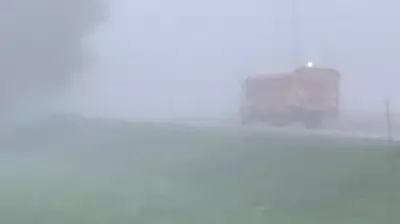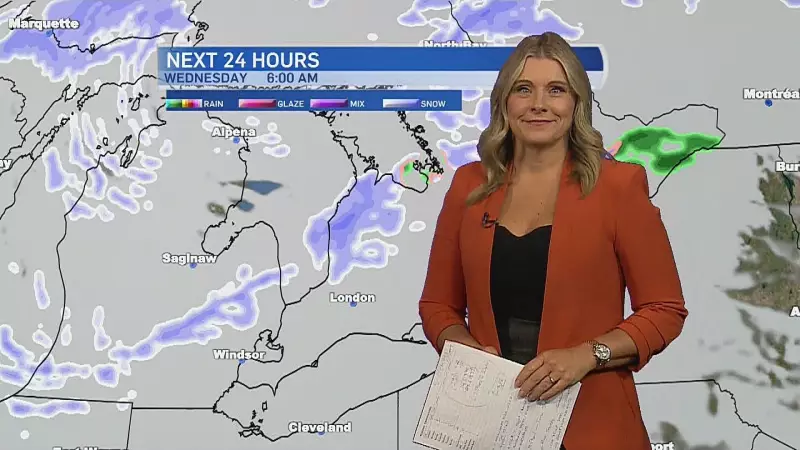
Residents of the London region are being urged to prepare for a sudden and severe blast of winter weather. Environment Canada has issued a snow squall warning for the area as a series of cold fronts are set to move through, bringing with them the threat of intense, localized snowfall and significantly reduced visibility.
Hazardous Morning Commute Expected
CTV London Meteorologist Julie Atchison is advising anyone with travel plans on the morning of Wednesday, January 14, 2026, to build in extra time. The forecast calls for blustery conditions where sudden whiteouts are possible due to heavy, blowing snow. "Give yourselves extra time in the morning if you’re travelling anywhere," Atchison warned, highlighting the rapid onset of dangerous conditions typical of snow squalls.
These weather events are characterized by brief but violent bursts of heavy snow and strong winds, leading to near-zero visibility in a matter of minutes. The warning underscores the immediate risk to motorists and pedestrians during the Wednesday morning commute.

What is a Snow Squall?
Unlike widespread winter storms, snow squalls are often narrow but intense bands of snowfall. They form when cold air moves over relatively warmer bodies of water, like the Great Lakes, picking up moisture and dumping it as snow downwind. The London region, situated inland from Lake Huron, is particularly susceptible to these lake-effect phenomena when wind patterns align.
The key hazards associated with the current warning include:
- Rapidly accumulating snow on roads and highways.
- Sharply reduced visibility due to blowing snow.
- Suddenly icy and slippery road conditions.
- Quickly changing weather from clear to dangerous within short distances.
Staying Safe During the Squalls
Local authorities and weather experts recommend several precautions. If travel is absolutely necessary, drivers should ensure their vehicles are prepared for winter conditions, with a full tank of gas, winter tires, and an emergency kit. It is crucial to slow down, increase following distance dramatically, and use low-beam headlights.
Pedestrians should also exercise caution, as visibility for drivers will be severely compromised. The public is encouraged to monitor updated forecasts and warnings from Environment Canada, as snow squall warnings can be updated frequently based on the precise track of the bands.
This early-season snow squall event serves as a stark reminder of the volatile and potentially hazardous nature of Canadian winters, especially in regions influenced by the Great Lakes.