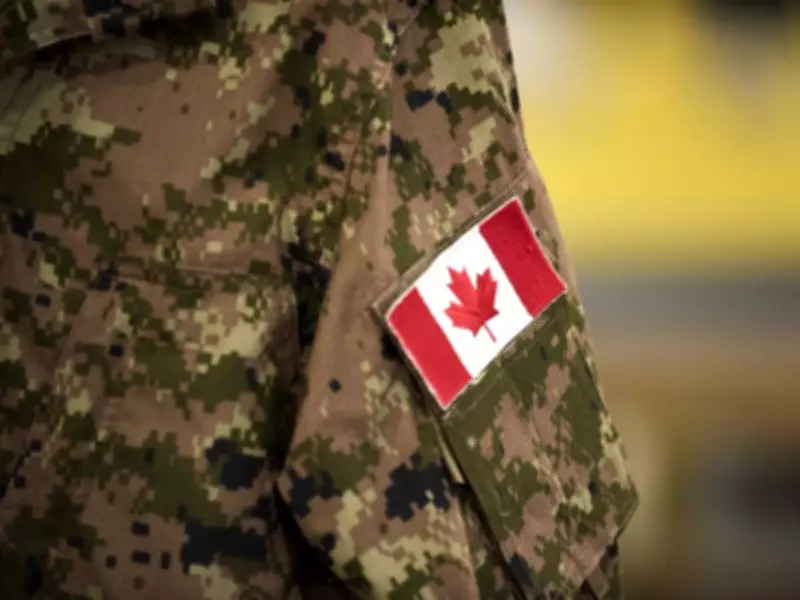








Sex Workers Observe Military Deployment Surge and Emotional Toll
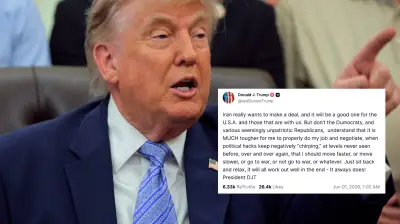
Sex workers have historically served as early indicators of major economic shifts, and they often possess unique insights into military activities that escape the average civilian's notice. Even for those who avoid mainstream news coverage, the Trump administration's tensions with Iran and associated spikes in gas prices are becoming apparent through the observations of erotic dancers and sex industry professionals.
Viral TikTok Video Sparks Widespread Attention
The conversation gained momentum through a viral TikTok video posted by San Diego-based erotic dancer Charm Daze, who reported an unprecedented increase in young clients openly discussing imminent military deployments. With nearly a decade of experience in clubs, Charm expressed surprise and sadness at both the frequency of these conversations and the youthful appearance of the troops, describing many as looking "like fetuses."
Her video has been shared over 16,000 times on TikTok alone, with more than 1,500 comments, and has circulated across multiple social media platforms while attracting significant media coverage. Some outlets have raised concerns about operational security, with The New York Post suggesting troops were "blabbing" sensitive information and The Sun warning about potential security breaches during lap dances.
The 'Stripper Index' as Economic and Military Barometer
This phenomenon has revived discussion of the "stripper index," a term typically used to gauge economic changes but now being applied to broader global developments. The concept suggests that sex workers often detect shifts before they become widely apparent, whether in economic patterns or military activities.
Commenters on Charm's video noted that dancers' observations can serve as "a recession indicator, inflation indicator, wartime indicator," with one former Navy member recalling how adult entertainers "knew when my carrier was pulling in before the crew knew we were pulling in."
Multiple Dancers Confirm Military Client Increase
Other adult entertainers have corroborated Charm's observations. Emma, another dancer who commented on the viral video, told HuffPost she has "absolutely" seen more military and defense clients recently, particularly younger men who hadn't visited in nearly a year until recent months.
She described one regular client who returned from deployment visibly traumatized, drinking excessively and crying as he discussed bombing missions in the Middle East that "killed so many people." Emma noted he seemed "genuinely hollow" and expressed fear about returning to deployment soon.
Sol Cirocco, a Miami-based professional dancer working in nightlife environments, also reported noticing more clients with military or defense backgrounds. She explained that performers and staff in entertainment venues often detect behavioral patterns and spending trends before they become widely visible, describing a noticeable "shift" toward more "high-energy spending" with unusual "urgency."
The Emotional Labor of Supporting Military Clients
Beyond the economic indicators, sex workers emphasized the significant emotional labor involved in supporting military clients. Another entertainer named Emma, based in Denver with 18 years of industry experience, applauded Charm for highlighting this aspect of their work.
"This is what emotional labor looks like in the strip club," she wrote, explaining that dancers frequently provide "a moment of connection and feeling seen" for clients experiencing loneliness, grief, or deployment stress. She noted that viral fascination with the "sensual side of dancing" often overshadows the meaningful conversations and emotional support sex workers provide.
Kristie Bish, an adult content creator, reported an encounter with a military recruiter who approached her after a ventriloquism performance featuring adult humor, asking if she would consider performing on base to "boost morale." While she hasn't experienced a military client influx herself, this interaction suggested increased military activity.
Multiple sex workers expressed how common it is to bear clients' emotional burdens, particularly those who hadn't worked during previous wars and found navigating performances for troops while maintaining morale to be unexpectedly challenging. They emphasized creating safe spaces where clients can process experiences they might not discuss elsewhere, with several describing crying with customers over grief and trauma they carry.