New Safety Rules for Remote Community Flights Debated as Ministers Meet
Transportation ministers from across Canada are set to convene quietly this week, with a key agenda item being potential updates to the contentious safety regulations that govern flights to remote communities. The unannounced meeting, scheduled for February 20 in Vancouver, is expected to address a range of transportation issues, including a proposed "regulatory sandbox" aimed at balancing competing interests in Canada's aviation safety framework.
A Lifeline for Hundreds of Communities
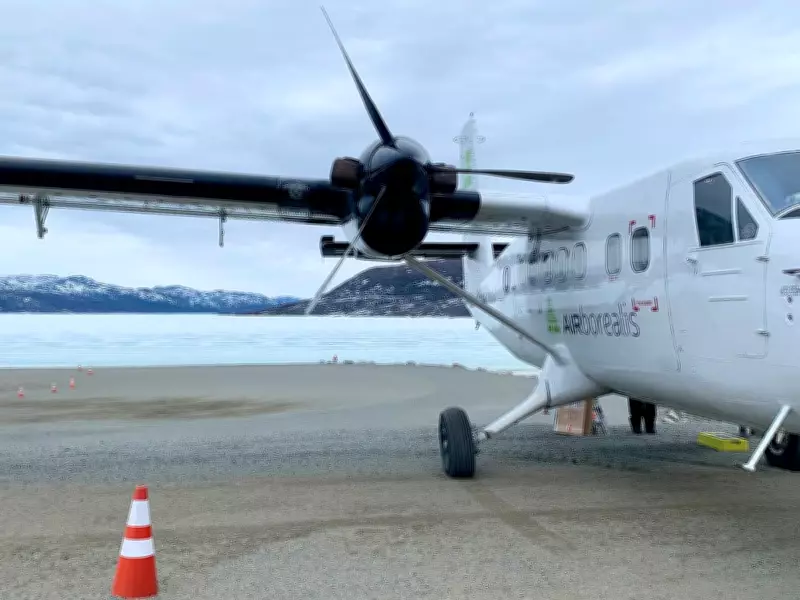
Air service is a critical lifeline for hundreds of remote communities across the country, many of which lack road access. These flights are essential for delivering food, medical supplies, transportation to and from hospitals, and a variety of other vital services. "It's their lifeline," emphasized Bernard Gervais, executive director of the Northern Air Transport Association (NATA), which represents nearly 60 aircraft operators. "It's their link to the rest of the country."
Beyond basic necessities, these flights also support industries such as resource exploration and tourism, making them integral to both community survival and economic activity in isolated regions.

Decades of Friction Over Safety Rules
The safety regulations, particularly concerning pilot rest periods after consecutive work hours, have been a source of friction and political debate for over a decade. The rules were last significantly updated in 2015 under former federal transport minister Marc Garneau, but those changes failed to satisfy either side of the debate.
Operators of smaller planes and helicopters, often referred to as "air taxis," argue that they need more flexibility in the rules to effectively serve remote areas. They contend that the regulations must account for the unique challenges of Canada's vast and remote landscapes, as well as a persistent shortage of pilots.
The Pilot Shortage and Service Degradation
If rules mandate excessive rest periods for pilots on extended routes—such as "milk runs" visiting seven or eight communities—operators warn that the final destinations may not receive service. Even without cost constraints, they point out that there simply aren't enough pilots to staff multiple crews for these long-haul flights to remote regions.
Gervais noted that there has already been some "degradation" of service in recent years due to the lack of regulatory flexibility and the ongoing pilot shortage. This issue underscores the delicate balance between safety requirements and operational feasibility.
Safety as a Paramount Concern
On the other side of the debate, unions representing pilots and air traffic controllers insist that safety must remain the top priority. "Safety is not only a regulatory obligation—it is a strategic asset and a global competitive advantage for Canadian aviation," wrote Tim Perry, president of the Canadian chapter of the Air Line Pilots Association (ALPA), in a recent letter to Transport Minister Steven MacKinnon ahead of the Vancouver meeting.
While both camps disagree on the specifics of the rules, they share a common concern: a critical part of Canada's transportation system is at risk if the safety regulations do not align with their respective perspectives. The upcoming ministerial discussions aim to navigate these complex issues, seeking a path forward that ensures both safety and reliable air service for remote communities.