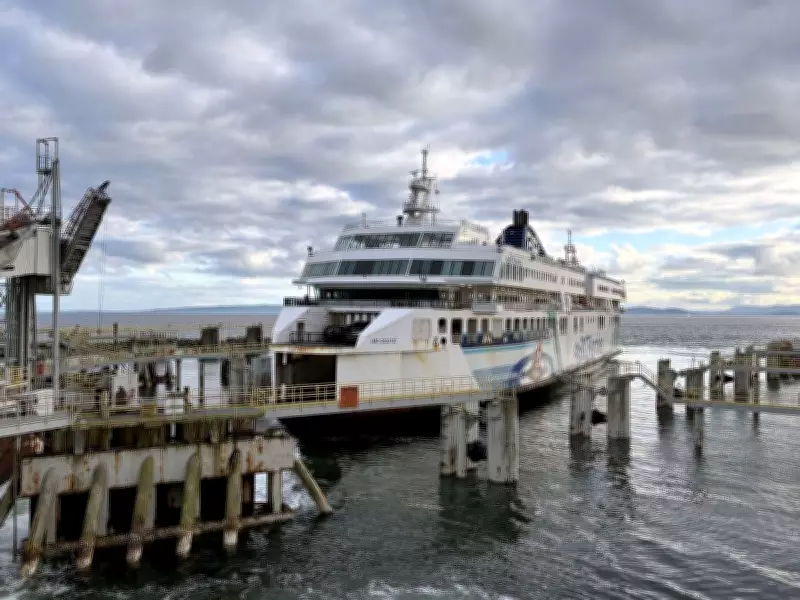
B.C. Ferries Reliability Crisis Sparks Calls for Consumer Advocate and Bridge Feasibility Debate
The recent breakdown of the ferry Queen of Surrey on Wednesday, which led to multiple sailing cancellations between the Sunshine Coast and Horseshoe Bay, has intensified concerns about the reliability of B.C. Ferries. This incident follows three vessel breakdowns over the Easter weekend that also resulted in several cancelled sailings, highlighting ongoing operational challenges.
Current Refund and Compensation Policies Under Scrutiny
According to B.C. Ferries' official website, passengers are entitled to reimbursement if their sailing is cancelled and they cannot be accommodated on an alternative departure. The refund is deposited directly into the customer's account. If the company successfully rebooks a passenger on a different sailing, a refund is still available upon request if the passenger cannot make the rescheduled trip.
Cancellation fees apply when passengers initiate changes: a $20 fee for cancellations made less than four days before sailing, and a $5 fee for those cancelled four days or more in advance. However, the company does not cover expenses for missed hotel bookings due to cancellations. In cases where passengers switch from driving to walking on after a cancellation, B.C. Ferries will cover reasonable parking fees or provide a water taxi service.

The Case for a Passenger Advocate
Unlike the airline industry, which has multiple layers of consumer protection, B.C. Ferries lacks a dedicated passenger advocate. The Canadian Transportation Agency establishes compensation standards for flight delays, cancellations, and lost baggage, including provisions for overnight accommodations. Additionally, non-profit organizations like Air Passenger Rights actively challenge airline policies and advocate for enhanced protections.
In British Columbia, the B.C. Ferries commissioner primarily functions as a regulator, focusing on fare limits rather than consumer advocacy. Infrastructure Minister Mike Farnworth has explicitly rejected the idea of creating an independent body to represent ferry customers, stating, "We have a ferries board. We have a ferries commissioner. I don't think we need any more bureaucracy. And I think the media does a pretty good job of advocating when something goes wrong with ferries. So no, thank you."
Why a Bridge to Vancouver Island Remains Unfeasible
Despite recurring discussions about constructing a bridge from the mainland to Vancouver Island, experts consistently highlight significant barriers. The geographical challenges include the substantial distance across the Strait of Georgia, which presents engineering complexities and extreme environmental conditions. The depth of the water and seismic activity in the region further complicate such a project.
Financial considerations are equally daunting, with estimated costs running into tens of billions of dollars. Environmental impacts on marine ecosystems and coastal communities would be profound, raising additional regulatory and public opposition hurdles. Historical studies and technical assessments have repeatedly concluded that maintaining and improving ferry services represents a more practical and sustainable solution for island connectivity.
Broader Implications for Transportation Policy
B.C. Ferries CEO Nicolas Jimenez has emphasized that 99.8 percent of scheduled ferry trips depart as planned, yet acknowledged that any disruptions cause considerable frustration for customers. These reliability issues underscore the need for transparent communication and robust contingency planning. The debate over a consumer advocate reflects broader questions about accountability and passenger rights in essential transportation services.
As British Columbia continues to grow, ensuring dependable ferry operations remains critical for economic activity, tourism, and daily commutes. Stakeholders are calling for increased investment in maintenance and modernization of the fleet to prevent future breakdowns. The ongoing dialogue about infrastructure alternatives and consumer protections will likely shape transportation policy in the region for years to come.