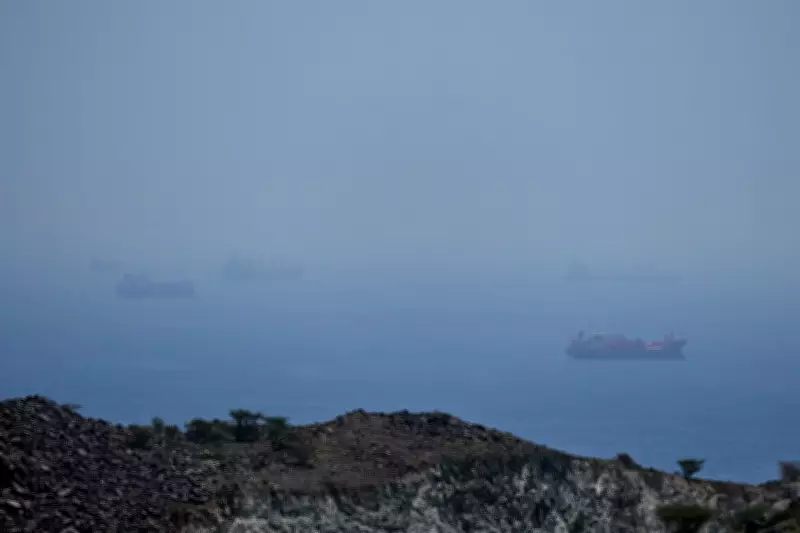
Iran opened fire on three ships in the strategic Strait of Hormuz on Tuesday, an act that threatens to derail ongoing efforts to restart diplomatic talks between Tehran and Washington. The incident, which occurred in one of the world's most critical oil transit chokepoints, has raised concerns about regional stability and the safety of commercial shipping.
Details of the Attack
According to maritime security sources, Iranian naval forces targeted three vessels—two tankers and a bulk carrier—that were anchored in the strait. The ships, which were not identified by name, sustained minor damage, but no casualties have been reported. The Strait of Hormuz, connecting the Persian Gulf to the Gulf of Oman, sees about one-fifth of the world's oil pass through its waters daily.
Impact on Diplomacy
The attack comes at a delicate time, as indirect talks between the U.S. and Iran were reportedly gaining momentum. Diplomatic observers note that such aggressive actions could harden positions on both sides, making a negotiated settlement more elusive. The U.S. State Department has condemned the incident, calling it a "reckless provocation" that undermines regional security.

Iran's motivations remain unclear, but analysts suggest it may be a tactic to gain leverage in negotiations or a response to perceived provocations by Western naval forces in the region. The Islamic Revolutionary Guard Corps (IRGC), which controls the strait, has previously threatened to disrupt shipping in retaliation for sanctions or military actions.
Reactions from the International Community
The United Nations Security Council is expected to hold an emergency session to discuss the escalation. Several nations, including the United Kingdom and France, have called for restraint and a de-escalation of tensions. Meanwhile, oil prices spiked briefly on the news, reflecting concerns about potential supply disruptions.
Shipping companies are now reassessing their routes, with some considering alternative paths that would add significant time and cost. The incident also highlights the vulnerability of global energy supplies to regional conflicts.
Looking Ahead
As the situation develops, the focus remains on whether diplomatic channels can be preserved. The Biden administration has reiterated its willingness to engage in talks, but insists that Iran must cease its destabilizing activities. For now, the Strait of Hormuz remains a flashpoint, with the world watching closely.